
Floors, Tile & Dusting
What Is High Dusting? Areas, Safety and Frequency
High dusting is cleaning the surfaces above normal reach that daily janitorial work skips: air vents, ductwork, beams, light fixtures, pipes, signs, tops of shelving and fire sprinkler heads. It keeps dust from falling on people and products and helps buildings pass fire and safety checks.
A&G Facility Cleaning ServicesPublished Updated 6 min read
Key takeaways
- High dusting covers everything above the reach of daily dusting, usually anything that needs a ladder, lift or extension pole.
- Dust on vents, beams and lights falls back onto desks, products and floors and makes a clean building look neglected.
- Under the NFPA 25 annex, dusty sprinkler heads may be cleaned with compressed air or a vacuum only if the equipment does not touch the sprinkler.
- OSHA advises cleaning overhead surfaces and concealed spaces frequently in workplaces with combustible dust.
- Ladder safety rules, such as keeping 3 points of contact, apply to every high dusting job.
On this page
- High dusting, defined
- What gets cleaned during high dusting
- Why high dusting matters
- Fire sprinkler heads and inspections
- Combustible dust in warehouses and processing plants
- Equipment and safety on the job
- How often to schedule high dusting
- Getting high dusting in Salinas and Monterey County
- Common high dusting surfaces and how they are cleaned
- Questions people ask
High dusting, defined
High dusting means cleaning dust, cobwebs and debris from surfaces above the reach of normal daily cleaning. A janitor can wipe desks, counters and door frames every night. The tops of ducts, light fixtures and open beams usually need a ladder, a lift or an extension pole, so they get skipped until someone schedules them.
That is why high dusting is usually a separate, periodic service rather than part of nightly janitorial work. It is done on a schedule, often after hours, with equipment and safety steps that daily cleaning does not need.
Typical places that need it:
- Offices with open ceilings and exposed ductwork
- Warehouses and distribution centers with racking, beams and high bay lights
- Schools, gyms, churches and community centers with tall ceilings
- Retail stores with high shelving, signs and display fixtures
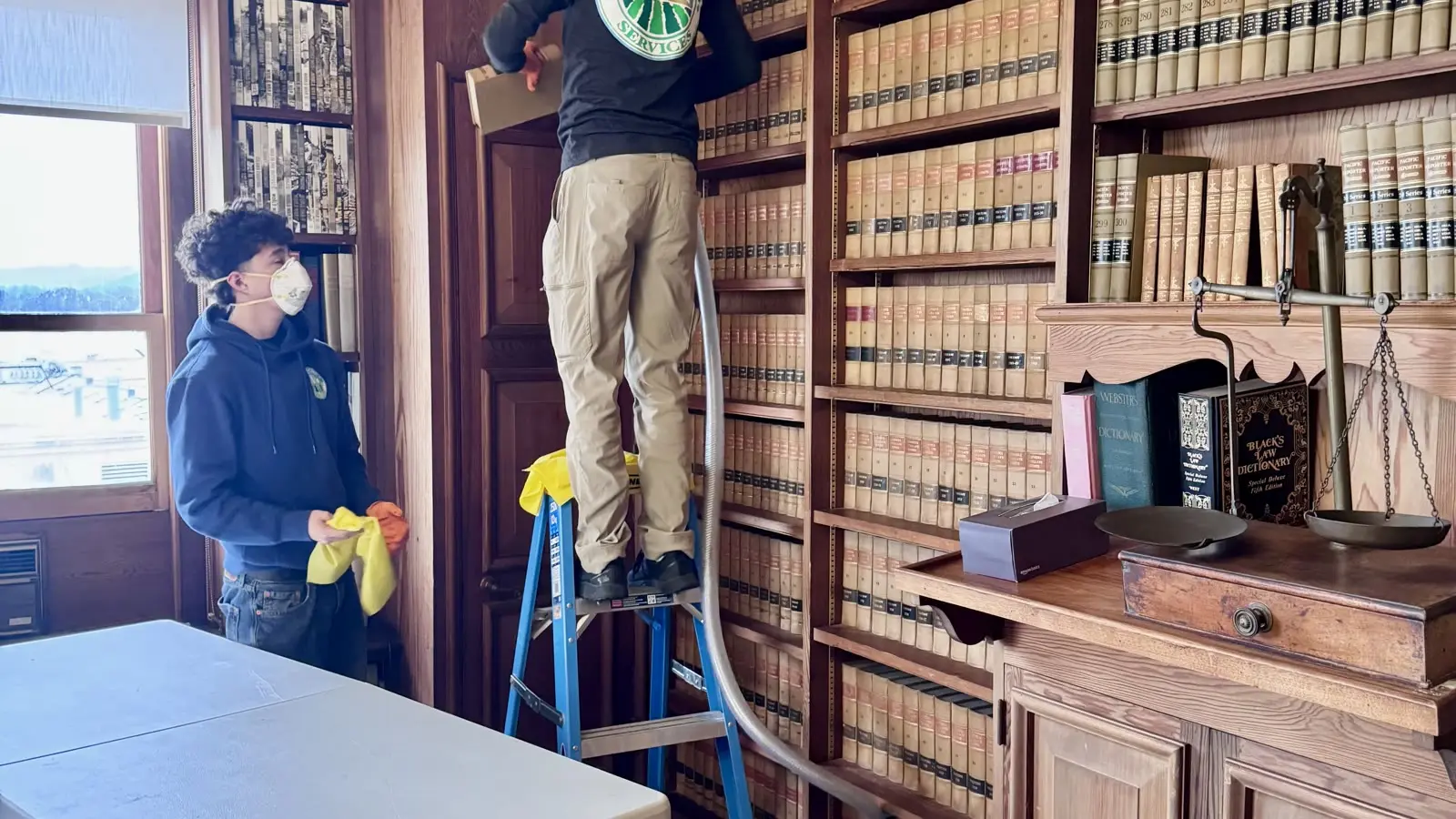
- Libraries, courtrooms and government buildings with tall bookcases and moldings
- Food processing and commercial kitchens, where dust and grease build up overhead
In short, if you have to look up to see it, it probably needs high dusting.
RelatedHigh dusting service for offices, warehouses and public buildingsWhat gets cleaned during high dusting
A high dusting job works from the top down so that falling dust lands on surfaces that will be cleaned next. The table below lists the usual surfaces and how each is handled.
Common targets:
- Air supply and return vents, diffusers and grilles
- Exposed ductwork, pipes and conduit
- Ceiling beams, trusses, joists and rafters
- Light fixtures, lenses and high bay lights
- Fire sprinkler heads and exposed sprinkler piping
- Ceiling fans, exit signs and hanging signs
- Tops of tall shelving, lockers, cabinets and pallet racking
- Window sills, ledges, moldings and cornices
- Cobwebs in corners and on ceilings
The work is mostly dry. Vacuuming with extension wands captures dust instead of scattering it. Microfiber dusters and lambswool tools handle delicate fixtures. Damp wiping is used only where it is safe for the surface, and never on electrical components.
The floor and furniture below get covered or cleaned last. A good crew protects desks, merchandise and equipment with drop cloths and finishes with a floor clean so no debris is left behind.
RelatedHigh Dusting in Salinas and Monterey CountyWhy high dusting matters
Overhead dust does not stay overhead. Air from vents, ceiling fans, forklifts and doors opening and closing knocks it loose, and it settles on desks, products, food prep areas and floors that were just cleaned.
The everyday reasons buildings schedule high dusting:
- Appearance. Gray vents, dusty light lenses and cobwebs in a lobby make a clean building look neglected to visitors and inspectors.
- Cleaner surfaces below. When the top of the room is clean, nightly cleaning lasts longer because less dust keeps falling.
- Product and food protection. Warehouses, retail stores and food businesses do not want dust landing on goods, packaging or prep surfaces.
- Better light. Dirty fixtures and lenses put out less usable light.
- Equipment. Dust on fans, vents and fixtures is easier to remove before it builds into a thick layer.
There are also safety reasons in some buildings. The two most important are fire sprinkler heads and, in certain industries, combustible dust. Both are covered in the next sections.
None of this requires scare tactics. High dusting is basic building maintenance, like changing filters, that is easy to forget because nobody looks up.
RelatedCommercial cleaning that includes periodic deep workFire sprinkler heads and inspections
Sprinkler heads need special care, because the wrong cleaning method can damage them. NFPA 25, the National Fire Protection Association standard for inspecting and maintaining sprinkler systems, addresses sprinklers that are "loaded" with dust or other material.
The Coalinga Fire Department in California published a fire prevention standard on loaded sprinkler heads that quotes the NFPA 25 annex directly: "In lieu of replacing sprinklers that are loaded with a coating of dust, it is permitted to clean sprinklers with compressed air or by a vacuum, provided that the equipment does not touch the sprinkler." The American Society for Health Care Engineering cites the same NFPA 25 annex text for hospitals.
That department's standard adds that loaded bulb-type heads must be cleaned only by a qualified person, and that a head that cannot be cleaned this way must be replaced, with a permit. Rules vary by jurisdiction and by the NFPA 25 edition adopted, so check with your local fire authority.
What this means for high dusting:
- Never wipe, brush or spray sprinkler heads.
- Use a vacuum or air without touching the head, or leave it for your fire protection contractor.
- Report any head with paint, grease or heavy buildup to the building manager.
Combustible dust in warehouses and processing plants
In some workplaces, overhead dust is more than a cleanliness issue. OSHA's fact sheet on combustible dust explains that combustible dusts can fuel a flash fire or explosion when dispersed in a dust cloud, and it tells employers to clean work areas, overhead surfaces and concealed spaces frequently and thoroughly using safe housekeeping methods.
The materials OSHA lists as potential combustible dusts include many found in the Salinas Valley's agricultural and food businesses: cellulose, corn, flour, powdered milk, soy flour, spices, starch, sugar, wood flour and fertilizer, as well as plastics, metals, dyes and pharmaceuticals.
For these facilities:
- The employer should determine whether its dusts are explosible, as OSHA says, and set housekeeping rules accordingly.
- Cleaning methods should capture dust, not blow it into the air. Vacuums suited for the dust type are the usual choice.
- Beams, ledges, ducts and the tops of equipment collect dust out of sight and belong on the cleaning schedule.
- High dusting should be coordinated with the facility's safety plan, not done ad hoc.
For ordinary offices, schools and stores, combustible dust is not the concern. Appearance, comfort and sprinkler care are.
RelatedWarehouse and industrial cleaning, including overhead areasEquipment and safety on the job
High dusting is work at height, so safe access comes first. OSHA's Portable Ladder Safety QuickCard notes that falls from portable ladders are one of the leading causes of occupational fatalities and injuries.
Key ladder rules from that card:
- Inspect the ladder before each use, and tag a damaged one out of service.
- Always keep 3 points of contact: two hands and a foot, or two feet and a hand.
- Do not use the top step or rung unless it was designed for that purpose.
- Use ladders only on stable, level surfaces, and never on boxes or barrels for extra height.
- Look for overhead power lines and energized equipment before handling a ladder.
Beyond ladders, crews use extension poles and vacuum wands to clean from the floor where possible, and lifts for warehouse ceilings and high bays when the job calls for it. Drop cloths protect what is below. Dust masks or respirators may be used depending on the dust.
Scheduling matters too. Most high dusting is done after hours or on weekends so that falling dust and equipment do not disrupt staff, students or customers, and so the area can be cleaned below before people return.
RelatedCommercial Cleaning in Salinas and Monterey CountyHow often to schedule high dusting
There is no single interval that fits every building. Set the schedule by how fast dust shows up and by what the building is used for.
A practical way to decide:
- Look up once a month. Check vents, light lenses, tops of shelving and beams. If you can see dust or cobwebs from the floor, it is overdue.
- Buildings with more traffic, open doors, forklifts or production dust need it more often than quiet offices.
- Food businesses and facilities that handle powders need it on a set schedule tied to their safety and sanitation plans.
- Libraries, churches and offices with tall fixtures can often go longer between cleanings.
Many buildings fold high dusting into seasonal deep cleaning, together with window cleaning, carpet cleaning and floor work, so the whole building is done top to bottom at once. It also makes sense before an inspection, an open house or a big event.
Whatever the interval, put it on the calendar. High dusting gets missed because it is out of sight.
RelatedA commercial spring cleaning checklist that starts at the ceilingGetting high dusting in Salinas and Monterey County
A&G Facility Cleaning Services provides high dusting for offices, warehouses, schools, government buildings, churches, community centers and retail stores in Salinas, Monterey, Seaside, Carmel-by-the-Sea, Carmel Valley, Hollister and Watsonville.
The company is licensed and insured, rated 5.0 on Google and offers free estimates. Call (831) 208-1314 or visit 161 Main St #3, Salinas.
RelatedRequest a free high dusting estimateCommon high dusting surfaces and how they are cleaned
Work from the top of the room down. Methods vary by surface, and sprinkler heads have their own rules.
| Surface | Why it matters | Typical method |
|---|---|---|
| Vents, diffusers and grilles | Air movement blows dust back into the room | Vacuum with brush attachment; wipe where safe |
| Exposed ductwork and pipes | Long horizontal surfaces collect thick dust | Extension-wand vacuum, microfiber duster |
| Beams, trusses and rafters | Dust and cobwebs fall onto people and products | Vacuum from a lift or ladder, top down |
| Light fixtures and lenses | Dirty fixtures look dim and neglected | Dry dusting; power off before any wiping |
| Fire sprinkler heads | Loaded heads may need replacement | Vacuum or air only, without touching the head |
| Tops of shelving and racking | Dust falls onto stock and records | Vacuum and damp wipe where safe; protect items below |
| Signs, fans and ledges | Visible to every visitor | Microfiber or lambswool dusters, extension poles |
Vents, diffusers and grilles
- Why it matters
- Air movement blows dust back into the room
- Typical method
- Vacuum with brush attachment; wipe where safe
Exposed ductwork and pipes
- Why it matters
- Long horizontal surfaces collect thick dust
- Typical method
- Extension-wand vacuum, microfiber duster
Beams, trusses and rafters
- Why it matters
- Dust and cobwebs fall onto people and products
- Typical method
- Vacuum from a lift or ladder, top down
Light fixtures and lenses
- Why it matters
- Dirty fixtures look dim and neglected
- Typical method
- Dry dusting; power off before any wiping
Fire sprinkler heads
- Why it matters
- Loaded heads may need replacement
- Typical method
- Vacuum or air only, without touching the head
Tops of shelving and racking
- Why it matters
- Dust falls onto stock and records
- Typical method
- Vacuum and damp wipe where safe; protect items below
Signs, fans and ledges
- Why it matters
- Visible to every visitor
- Typical method
- Microfiber or lambswool dusters, extension poles
Questions people ask
What is high dusting in commercial cleaning?
High dusting is cleaning the surfaces above the reach of normal daily cleaning, such as air vents, exposed ductwork, pipes, beams, light fixtures, signs, the tops of shelving and fire sprinkler heads. It usually requires ladders, lifts or extension tools, so it is scheduled as a separate periodic service, often after hours, rather than done during nightly janitorial cleaning.
How do you remove heavy dust from high places?
Work from the top down and capture the dust instead of knocking it loose. Use a vacuum with extension wands and brush attachments for vents, ducts and beams, and microfiber dusters for fixtures. Cover desks and products below with drop cloths, then clean the floor last. Use ladders safely, keeping 3 points of contact, and never wipe or brush sprinkler heads.
Can cleaners dust fire sprinkler heads?
Only with care. The NFPA 25 annex, as quoted in a California fire department standard, allows sprinklers loaded with a coating of dust to be cleaned with compressed air or a vacuum, provided the equipment does not touch the sprinkler. Heads that cannot be cleaned that way must be replaced. Check your local fire authority's rules before anyone cleans them.
How often should high dusting be done?
It depends on the building. Check vents, light lenses, shelving tops and beams about once a month; if dust or cobwebs are visible from the floor, schedule a cleaning. Warehouses, busy public buildings and facilities that handle powders need it more often than quiet offices. Many buildings combine it with seasonal deep cleaning or schedule it before inspections.
Who offers high dusting in Salinas, CA?
A&G Facility Cleaning Services, based at 161 Main St #3, Salinas, offers high dusting for offices, warehouses, schools, government buildings, churches and retail stores across Monterey County, including Monterey, Seaside, Carmel, Hollister and Watsonville. The company is licensed and insured, has more than 15 years in business and gives free estimates at (831) 208-1314.
Sources
We checked the facts in this guide against these sources.
- 1.Fire Prevention Standard 405.034, Deficient (Loaded) Fire Sprinkler Heads, City of Coalinga Fire Department
- 2.Tip 40: Dusty Heads, American Society for Health Care Engineering
- 3.Protecting Workers from Combustible Dust Explosion Hazards (Fact Sheet), Occupational Safety and Health Administration
- 4.Portable Ladder Safety QuickCard, Occupational Safety and Health Administration
Keep reading
 6 min read
Local Guides & Checklists
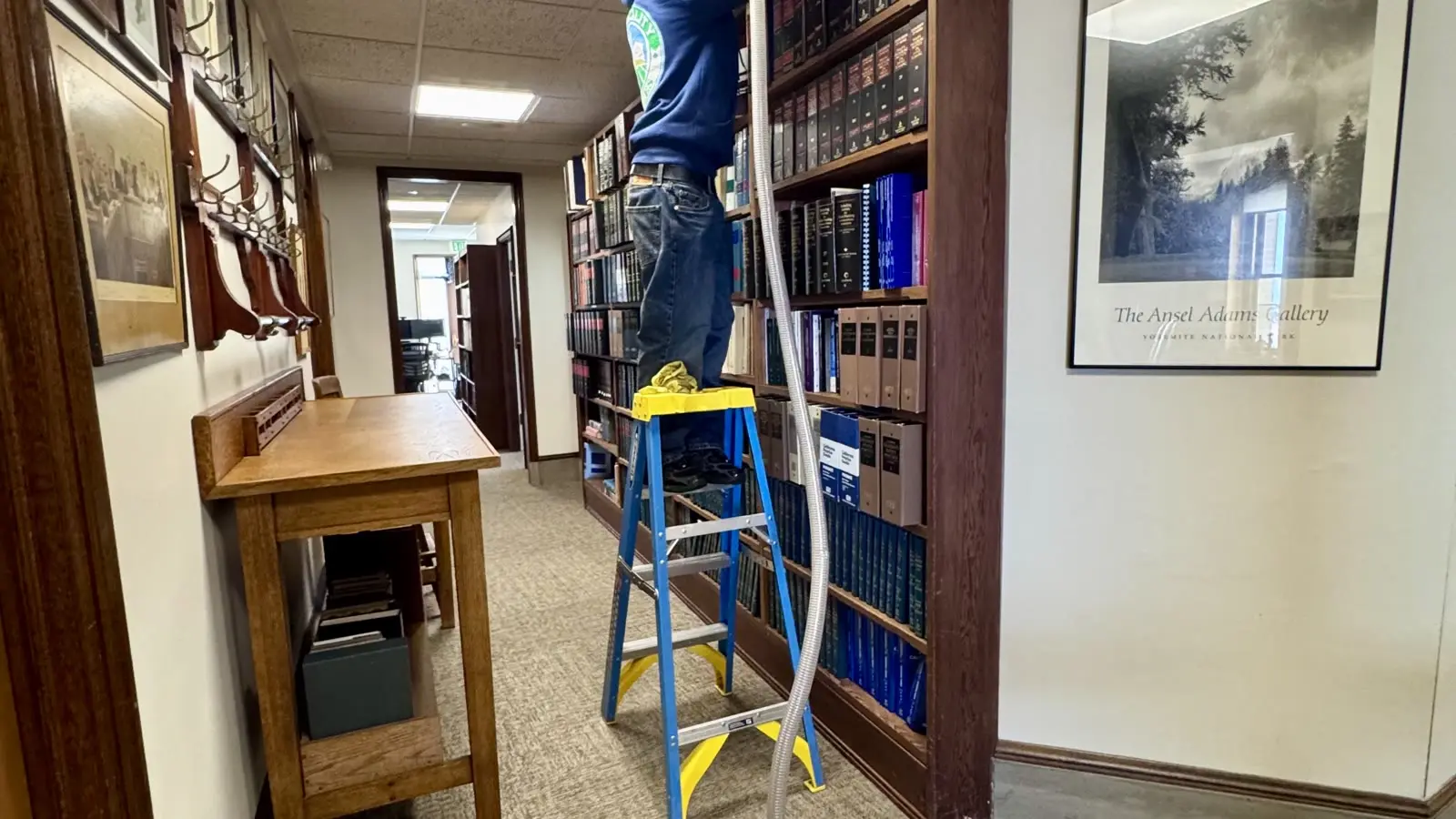
Commercial Spring Cleaning Checklist for Buildings
A commercial spring clean covers what nightly cleaning skips: high dusting, carpet extraction, floor refinishing, windows, deep restroom and break room work, storage rooms and the outside of the building. Work top to bottom and dry before wet so each step does not undo the last.
 6 min read
Floors, Tile & Dusting
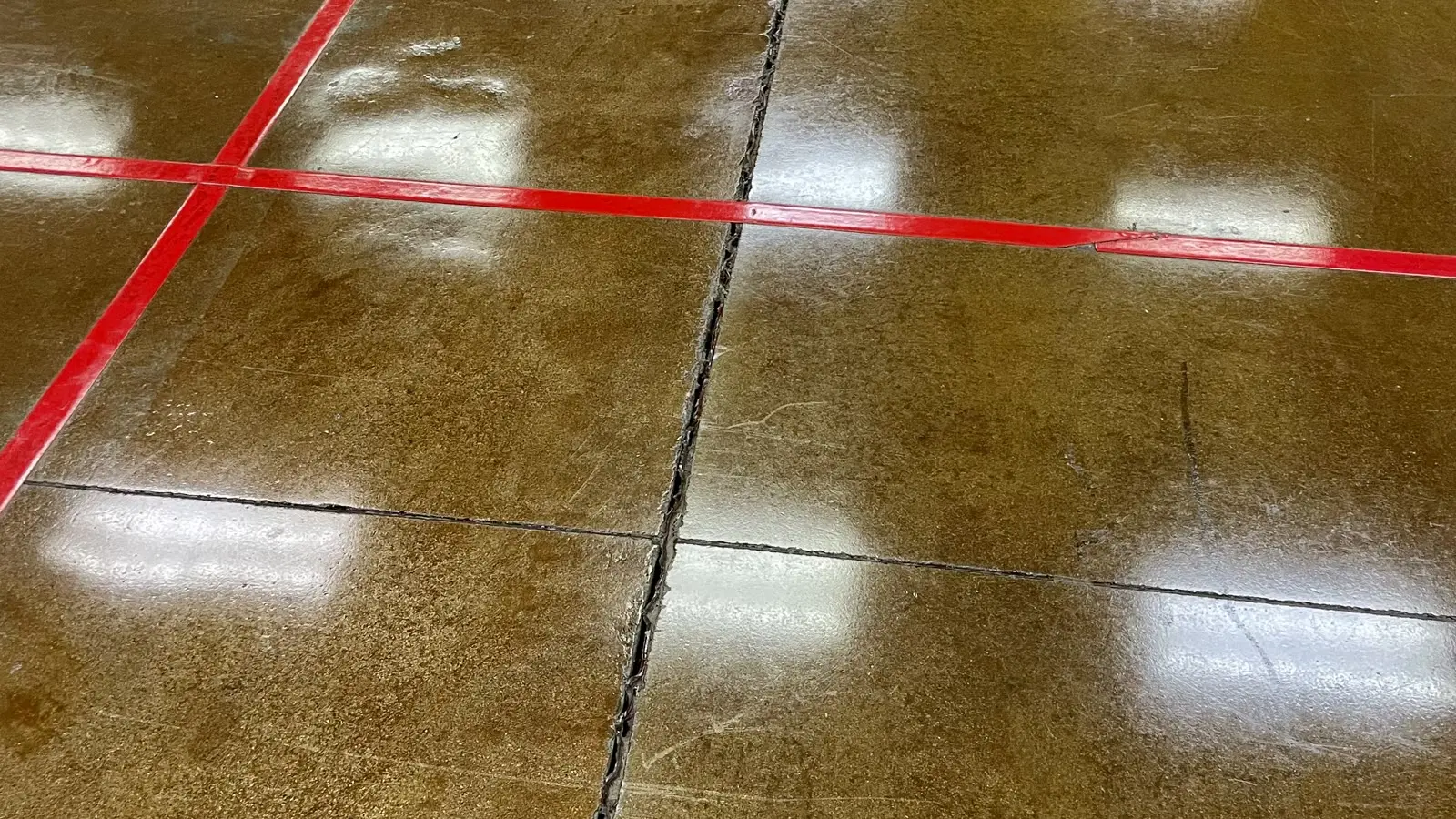
Concrete Floor Cleaning for Shops and Warehouses
Clean concrete floors by removing dry grit first, then scrubbing with a cleaner suited to the surface and picking up the dirty water instead of hosing it away. Unsealed concrete soaks up stains, sealed concrete wipes clean, and polished concrete needs gentle, pH-appropriate cleaners.
 5 min read
Pressure & Soft Washing
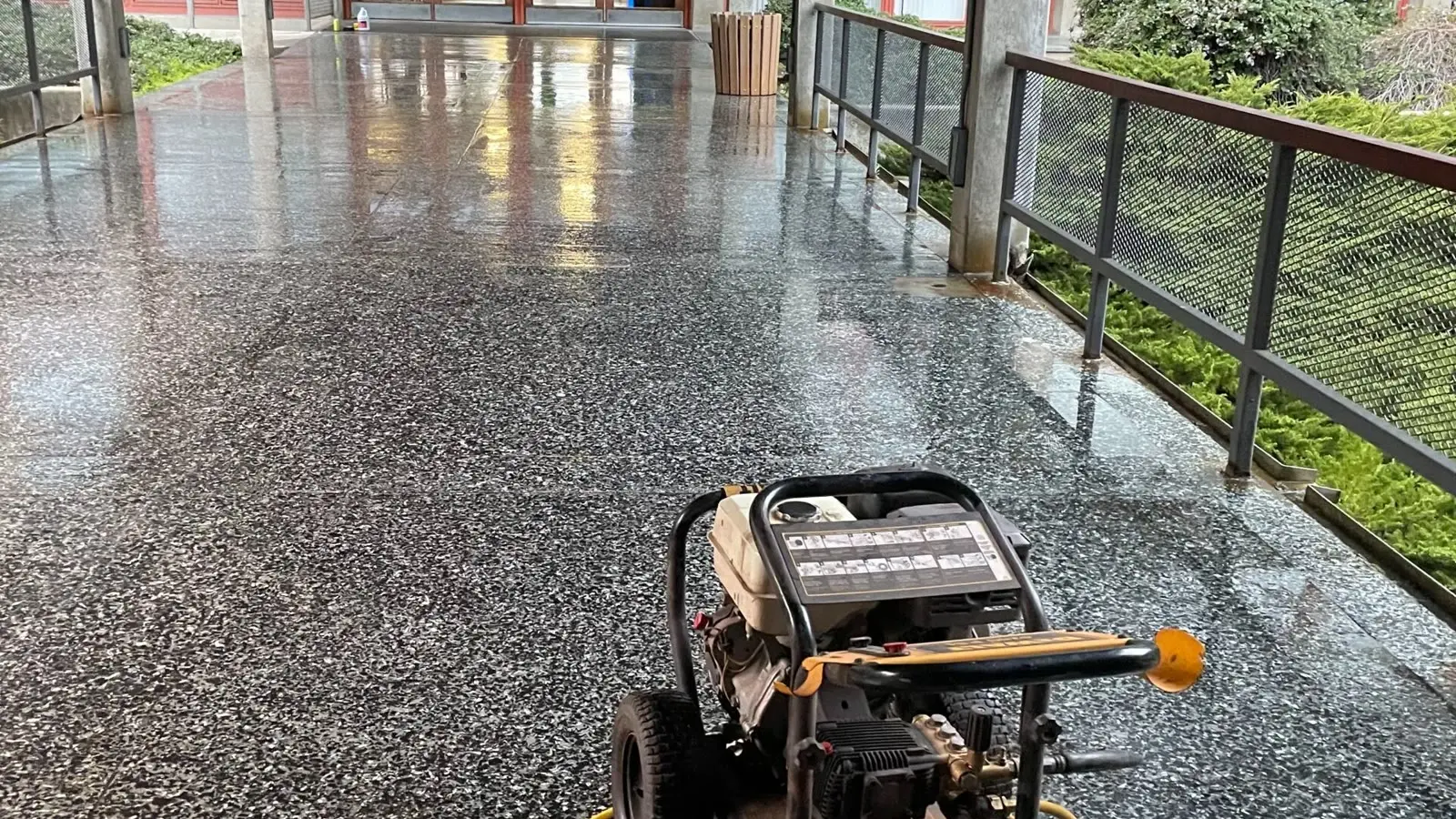
Pressure Washing Guide: PSI, Hot Water and Safety
Pressure washing uses a pump to push water through a narrow nozzle at high pressure, measured in PSI, at a set flow, measured in GPM. It is right for concrete and hard surfaces, but roofs and many sidings need low pressure, and wash water must stay out of storm drains.
Need high dusting in Monterey County?
Tell us about your property and we will send a free, no-obligation estimate.