
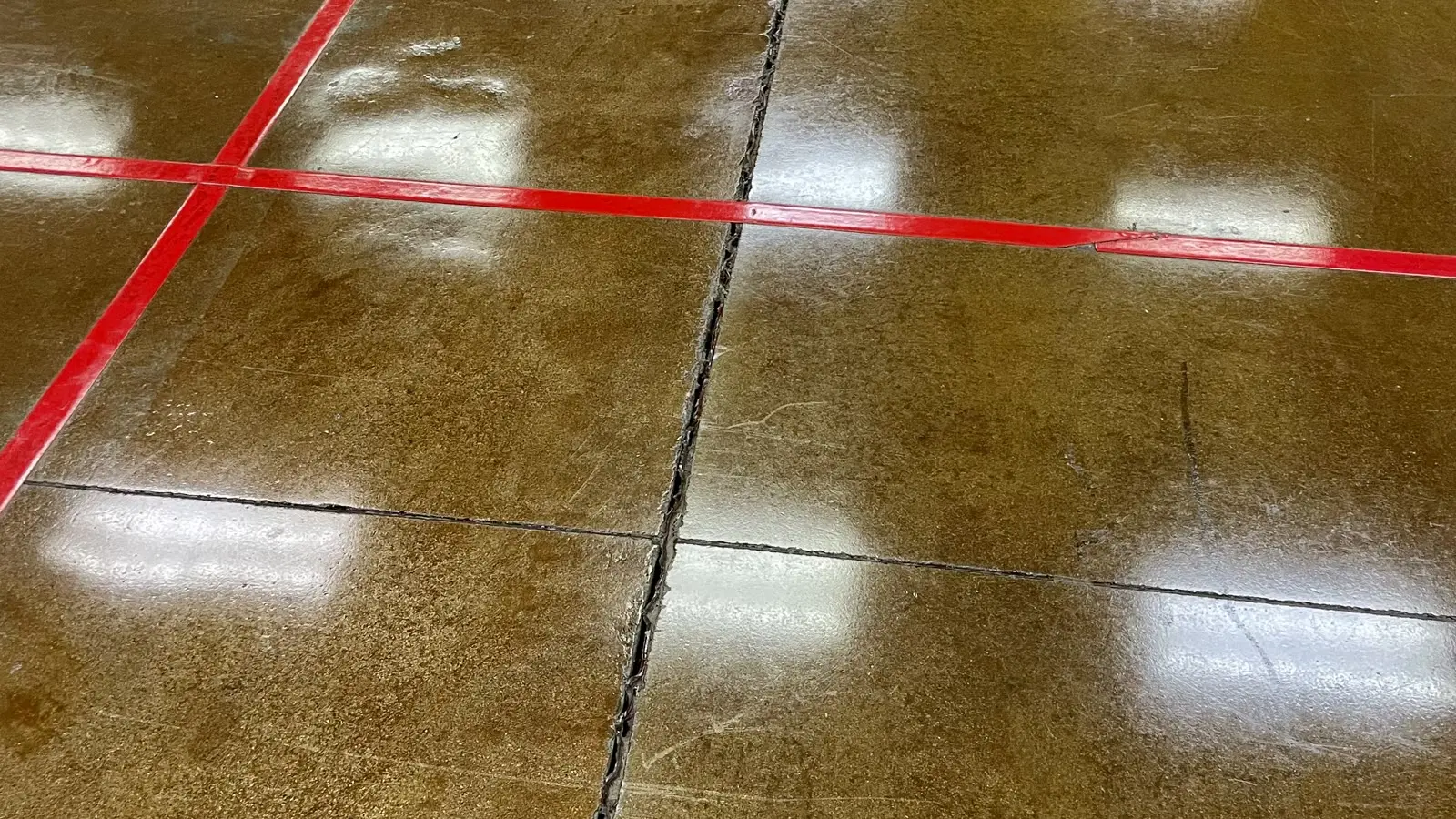
Floors, Tile & Dusting
Concrete Floor Cleaning for Shops and Warehouses
Clean concrete floors by removing dry grit first, then scrubbing with a cleaner suited to the surface and picking up the dirty water instead of hosing it away. Unsealed concrete soaks up stains, sealed concrete wipes clean, and polished concrete needs gentle, pH-appropriate cleaners.
A&G Facility Cleaning ServicesPublished 6 min read
Key takeaways
- Find out what you have first: unsealed, sealed, coated or polished concrete each need different care.
- Polished concrete is mostly maintained by daily sweeping and scrubbing, and Tennant warns that acidic or highly alkaline products may damage it.
- On large floors an auto scrubber cleans and picks up the dirty water in one pass, which keeps aisles drier and safer.
- Floor wash water belongs in the sanitary sewer, not the storm drain, which flows untreated to creeks and the ocean, according to the EPA.
- Reseal when water soaks in and darkens the surface instead of beading, or when traffic lanes look dull and stain easily.
On this page
- Start by figuring out what kind of concrete you have
- Routine cleaning for unsealed and sealed concrete
- Caring for polished concrete
- Warehouses: auto scrubbers, aisles and dust control
- Degreasing oil and removing tire marks
- Where the dirty water goes matters
- When to reseal concrete floors
- Getting concrete floor cleaning in Salinas and Monterey County
- Concrete floor types and how to clean them
- Questions people ask
Start by figuring out what kind of concrete you have
The right cleaning method depends on whether the concrete is bare, sealed, coated or polished. Using one method on all of them is how floors end up stained, slick or dull.
- Unsealed concrete is porous. Oil, coffee and tire dust soak in.
- Penetrating-sealed concrete looks close to bare, but water beads instead of soaking in. Prosoco, a concrete sealer maker, describes penetrating sealers as forming a hydrophobic barrier that keeps water and contaminants out.
- Topical sealers and coatings form a film on the surface. Prosoco notes they guard against stains and surface wear and are typically used on interior floors where looks and easy maintenance are the priority.
- Polished concrete is ground and honed to a shine, often with a densifier and a topical guard. Prosoco explains that densifiers react with the concrete to harden it, but do not seal it.
A quick check: drip a little water on a clean spot in a low-traffic area. If it soaks in and the concrete darkens, treat the floor as unsealed or due for resealing. If it beads, there is still protection on it. Ask your landlord or the original contractor what was applied, if anyone knows.
RelatedWarehouses & Industrial in Salinas and Monterey CountyRoutine cleaning for unsealed and sealed concrete
Routine cleaning is the same idea on any concrete: get the dry soil off, then scrub and pick up the water.
- Sweep, dust mop or vacuum. Grit and sand act like sandpaper on sealers and coatings.
- Mix a floor cleaner labeled for concrete at the label dilution. More product does not clean better and leaves residue that holds dirt.
- Scrub. A mop works for a small room or garage. For anything bigger, a walk-behind or ride-on scrubber does a better job.
- Pick up the dirty solution with the scrubber squeegee, a wet vacuum or a mop. Do not leave it to dry, or the dirt settles back into the pores.
- Rinse if the cleaner label calls for it, and let the floor dry before traffic returns.
Unsealed concrete needs more frequent attention because it absorbs spills quickly. Clean drips the same day. Sealed and coated floors are more forgiving, but their film wears down in traffic lanes, so watch for areas that start to look dull or take stains.
Polished concrete is a special case, covered next.
RelatedOur floor stripping & waxing serviceCaring for polished concrete
Polished concrete stays shiny mainly through gentle, frequent cleaning, not through coatings. Tennant, a floor equipment maker, says sweeping and scrubbing daily is the majority of the maintenance work polished concrete needs, with busier areas needing extra attention.
Chemistry matters. Tennant warns that acidic or highly alkaline products may damage polished concrete, and that cleaners made for polished concrete are different from those made for waxed floors. If your building switched from VCT to polished concrete, you may need to change the solution in your scrubber.
Practical rules for polished floors:
- Dust mop daily. Fine grit dulls the shine faster than anything else.
- Scrub with soft, non-aggressive pads made for polished concrete.
- Use a cleaner labeled for polished concrete, at the label dilution.
- Wipe up acidic spills such as soda, juice and vinegar-based products quickly.
- Do not apply floor wax or acrylic finish unless the polishing contractor specified it.
When the shine fades in traffic lanes, a contractor can re-hone or burnish with diamond pads and reapply the guard. That is far less work than the original grind.
RelatedHard floor care for VCT, sealed and coated floorsWarehouses: auto scrubbers, aisles and dust control
In a warehouse, the floor is part of the safety system, so cleaning has to keep up with forklift traffic and dust. OSHA's walking-working surfaces rule requires floors to be kept clean, orderly and sanitary, and maintained free of hazards such as leaks and spills. Workroom floors must be kept clean and, as far as feasible, dry.
An auto scrubber is the right tool for most warehouse concrete. It lays down solution, scrubs and squeegees the dirty water back up in one pass, so aisles dry fast and dirty water never sits on the floor. Mopping a large slab mostly moves dirt around.
A workable routine:
- Sweep or dust mop main aisles daily, before dust gets ground in.
- Run the scrubber on traffic lanes, dock areas and staging zones on a set schedule.
- Clean under racking and along walls periodically, where dust and debris pile up.
- Keep spill kits near charging stations, maintenance areas and docks.
- Keep painted aisle lines and safety markings clean so they stay visible.
Schedule scrubbing when traffic is lowest and post signs until floors dry.
RelatedWarehouse and industrial floor cleaningDegreasing oil and removing tire marks
Oil and tire marks come off best when you treat them quickly and lift the residue instead of spreading it. Garages, loading docks and forklift aisles see both.
For fresh oil and fluid drips:
- Soak up liquid with absorbent material and sweep it up. Do not hose it.
- Apply a degreaser labeled for concrete and let it dwell as the label says.
- Scrub with a stiff brush or a scrubber pad.
- Pick up the dirty solution with a wet vacuum or scrubber.
- Repeat on old stains. Oil that has soaked into unsealed concrete often takes several rounds.
For tire marks from forklifts and cars, a degreaser and a scrubber pad usually lift fresh marks. Test any pad or chemical on a small area first, because aggressive pads can scratch sealers, coatings and polished concrete.
The EPA's Region 9 floor cleanup guidance for auto repair and fleet shops encourages a "dry shop" approach: prevent drips with drip pans and containment, clean spills with dry methods, and keep wash water to a minimum. Less water on the floor means less contaminated water to dispose of.
RelatedHow to remove oil stains from concreteWhere the dirty water goes matters
Floor wash water should go to the sanitary sewer, never a storm drain. The EPA's Region 9 floor cleanup fact sheet explains that water in storm drains flows untreated directly to creeks, streams, lakes, bays and oceans, and that even soapy water can upset aquatic ecosystems. It also notes that storm drain connections to indoor drains or sinks are prohibited in most areas.
The City of San Diego's process and wash water fact sheet gives a simple rule many California cities follow: control, contain, capture and dispose. Do not leave wash water on pavement to evaporate. Pick it up with a wet vacuum and dispose of it in the sanitary sewer, such as an onsite sink or toilet.
In practice:
- Never push mop water or scrubber water out a roll-up door or into a parking lot drain.
- Empty scrubber recovery tanks into a mop sink or other sanitary drain.
- If you are not sure where a floor drain goes, ask the building manager or the local sewer agency.
For outdoor slabs, check your city's rules before pressure washing.
RelatedPressure washing for outdoor concrete and loading docksWhen to reseal concrete floors
Reseal when the protection is wearing out, not on a fixed date. Sealers wear at different rates depending on the product, the traffic and the cleaners used.
Signs a sealed floor needs attention:
- Water soaks in and darkens the concrete instead of beading.
- Traffic lanes look duller than the edges of the room.
- New spills leave stains that did not happen before.
- A topical coating is peeling, flaking or worn through at doorways and turns.
Penetrating sealers are usually reapplied over a clean, dry surface. Topical sealers and coatings often need the worn film cleaned or removed so new material bonds well. Follow the sealer maker's instructions on surface prep, cure times and when traffic can return.
Gentle cleaning is what makes a sealer last. Prosoco's description of penetrating sealers stresses their longevity and low maintenance, but harsh chemicals and gritty floors shorten the life of any sealer or guard.
RelatedPressure Washing in Salinas and Monterey CountyGetting concrete floor cleaning in Salinas and Monterey County
A&G Facility Cleaning Services cleans concrete floors in warehouses, shops, garages and commercial buildings across Salinas, Monterey, Seaside, Carmel-by-the-Sea, Carmel Valley, Hollister and Watsonville, along with pressure washing for outdoor slabs and loading docks.
The company is licensed and insured, rated 5.0 on Google, and offers free estimates. Call (831) 208-1314 or visit 161 Main St #3, Salinas.
RelatedAsk for a free estimate on concrete floor cleaningConcrete floor types and how to clean them
Use this to match your routine to your floor. When in doubt, ask whoever installed or last sealed the floor what product they used.
| Floor type | How to tell | Routine care |
|---|---|---|
| Unsealed concrete | Water soaks in and darkens the surface | Sweep, scrub with a concrete cleaner, pick up the water; clean spills the same day |
| Penetrating sealer | Looks like bare concrete, but water beads | Sweep and scrub; reseal when water starts soaking in |
| Topical sealer or coating | Visible film or sheen on the surface | Gentle cleaner and soft pads; recoat when the film wears thin |
| Polished concrete | Ground and honed to a reflective shine | Daily sweep and scrub; avoid acidic or highly alkaline products |
| Garage and dock slabs | Oil drips, tire marks, heavy grit | Absorb spills, degrease, scrub, wet vacuum; keep water out of storm drains |
Unsealed concrete
- How to tell
- Water soaks in and darkens the surface
- Routine care
- Sweep, scrub with a concrete cleaner, pick up the water; clean spills the same day
Penetrating sealer
- How to tell
- Looks like bare concrete, but water beads
- Routine care
- Sweep and scrub; reseal when water starts soaking in
Topical sealer or coating
- How to tell
- Visible film or sheen on the surface
- Routine care
- Gentle cleaner and soft pads; recoat when the film wears thin
Polished concrete
- How to tell
- Ground and honed to a reflective shine
- Routine care
- Daily sweep and scrub; avoid acidic or highly alkaline products
Garage and dock slabs
- How to tell
- Oil drips, tire marks, heavy grit
- Routine care
- Absorb spills, degrease, scrub, wet vacuum; keep water out of storm drains
Questions people ask
How do you clean concrete floors inside a house or garage?
Sweep or vacuum first to remove grit. Mix a cleaner labeled for concrete at the label dilution, scrub with a stiff brush or mop, then pick up the dirty water with a wet vacuum or mop instead of letting it dry. For oil, soak up the liquid with absorbent, then use a concrete degreaser. Keep wash water out of storm drains.
How do you make a concrete floor look new again?
Start with a deep clean: degrease stains, scrub the whole floor and rinse. If water still soaks in, the floor likely needs a sealer, and worn coatings may need to be removed and reapplied. Polished concrete that has lost its shine can often be re-honed or burnished with diamond pads and given a new guard, without a full regrind.
What does vinegar do to concrete floors?
Vinegar is an acid, and concrete reacts with acids. Tennant, a floor equipment maker, warns that acidic or highly alkaline products may damage polished concrete. For routine cleaning, use a cleaner labeled for your type of concrete instead of household vinegar, and wipe up acidic spills such as soda or juice quickly.
How often should a concrete floor be resealed?
It depends on the sealer, the traffic and the cleaners used, so watch the floor instead of the calendar. Reseal when water soaks in and darkens the surface instead of beading, when traffic lanes turn dull, or when spills start to stain. Topical coatings that peel or wear through at doorways need attention sooner. Follow the sealer maker's instructions.
Who cleans warehouse and garage concrete floors in Salinas?
A&G Facility Cleaning Services, based at 161 Main St #3, Salinas, cleans concrete floors in warehouses, shops and commercial buildings across Monterey County and offers pressure washing for outdoor concrete. The company is licensed and insured, has more than 15 years in business and gives free estimates at (831) 208-1314.
Sources
We checked the facts in this guide against these sources.
- 1.29 CFR 1910.22, Walking-working surfaces: general requirements, Occupational Safety and Health Administration
- 2.Best concrete sealers on the market, Prosoco
- 3.Five tips for concrete polishing, Tennant Company
- 4.Floor Cleanup: Best Environmental Practices for Auto Repair and Fleet Maintenance, U.S. Environmental Protection Agency, Region 9
- 5.Process and Wash Water fact sheet, City of San Diego
Keep reading
 6 min read
Pressure & Soft Washing
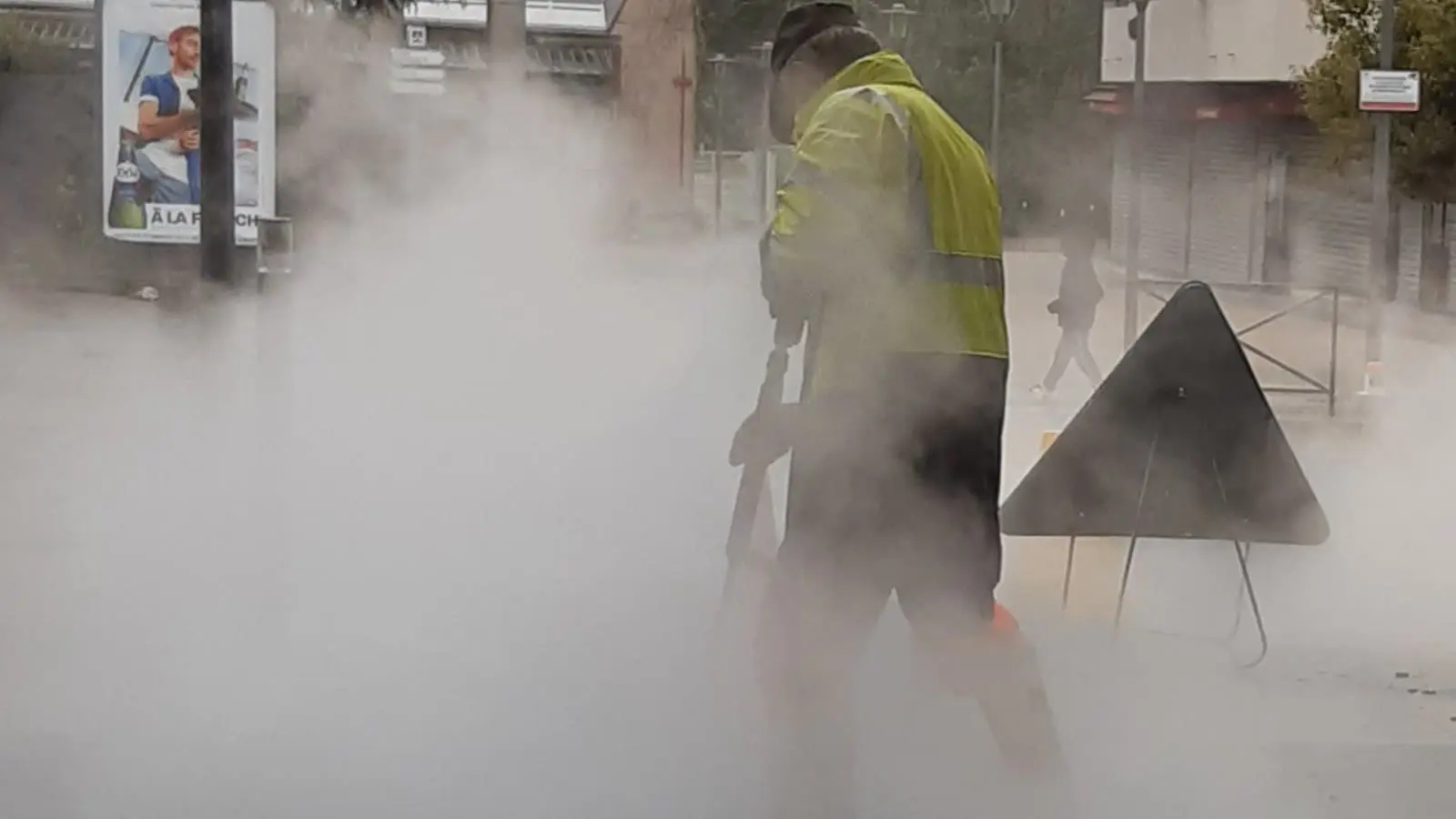
How to Remove Oil Stains From Concrete, Fresh or Old
To remove oil from concrete, soak up fresh oil with an absorbent like cat litter, scrub set-in stains with a concrete degreaser, and pull out old, deep stains with a poultice. Pressure washing helps rinse and lift the loosened oil, but the oily water must be captured, not sent down the storm drain.
 6 min read
Pressure & Soft Washing
Pressure Washing by Industry: What Each Needs
Each type of business gets dirty in its own way. Restaurants fight grease and dumpster pads, retailers fight gum and entry grime, warehouses fight oil and tire marks, and property managers juggle all of it. The right method and schedule follow the soil and the foot traffic, and the wash water must be captured.
 5 min read
Commercial Cleaning
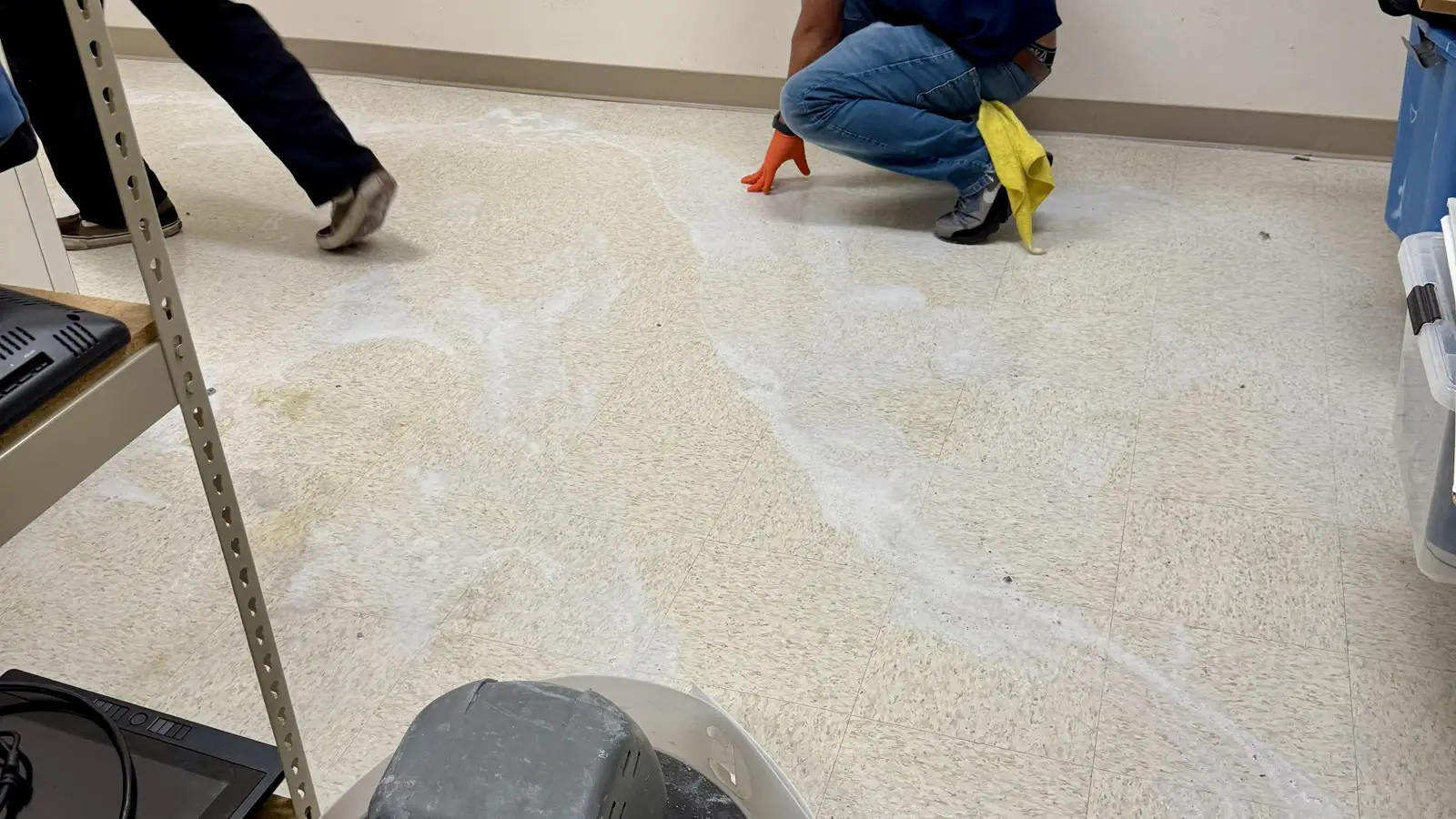
Commercial Building Summer Maintenance Checklist
Summer is the best window for the cleaning jobs that need an empty building or dry weather: floor stripping and refinishing, carpet extraction, exterior pressure washing, window cleaning, solar panel cleaning and high dusting. Book them around vacations and work from the ceiling down to the floor.
Need warehouses & industrial in Monterey County?
Tell us about your property and we will send a free, no-obligation estimate.