
Local Guides & Checklists
Commercial Spring Cleaning Checklist for Buildings
A commercial spring clean covers what nightly cleaning skips: high dusting, carpet extraction, floor refinishing, windows, deep restroom and break room work, storage rooms and the outside of the building. Work top to bottom and dry before wet so each step does not undo the last.
A&G Facility Cleaning ServicesPublished Updated 6 min read
Key takeaways
- Spring deep cleaning targets areas routine janitorial service rarely reaches: vents, light fixtures, carpet pile, floor finish, glass, storage and the exterior.
- Clean high areas first, then furniture and fixtures, then floors, so dust from above does not land on finished work.
- OSHA requires workplaces, storerooms and walking surfaces to be kept clean, orderly and sanitary, and floors kept clean and, where feasible, dry.
- Pair the deep clean with simple checks: leaks and damp spots, fire extinguisher inspections and ladder safety.
On this page
- Why a spring deep clean is worth scheduling
- Step 1: Start high with vents, lights and ledges
- Step 2: Carpets and hard floors
- Step 3: Windows, glass and blinds
- Step 4: Restrooms and break rooms
- Step 5: Storage rooms, closets and back-of-house areas
- Step 6: The outside of the building
- Planning the deep clean in Salinas and Monterey County
- Commercial spring cleaning checklist by area
- Questions people ask
Why a spring deep clean is worth scheduling
A spring deep clean resets the parts of a building that daily cleaning does not touch. Nightly janitorial work handles trash, restrooms, surfaces and floors. It rarely reaches return-air vents, the tops of cabinets, the base of carpet pile, the finish on hard floors or the outside of the building. After a winter of wet shoes, closed windows and heaters running, those areas show it.
There is also a compliance angle. The Occupational Safety and Health Administration's general rule for walking and working surfaces requires all places of employment, passageways, storerooms and service rooms to be kept clean, orderly and sanitary, and floors to be kept clean and, to the extent feasible, dry.
And people spend most of their time inside. The U.S. Environmental Protection Agency reports that Americans spend about 90 percent of their time indoors, where some pollutants are often two to five times higher than typical outdoor levels. Removing the dust that builds up in hard-to-reach places is a practical part of keeping a building pleasant to work in.
Pick a two- or three-day window, usually a weekend or slow week, and use the checklist below in order.
RelatedCommercial cleaning for offices and facilitiesStep 1: Start high with vents, lights and ledges
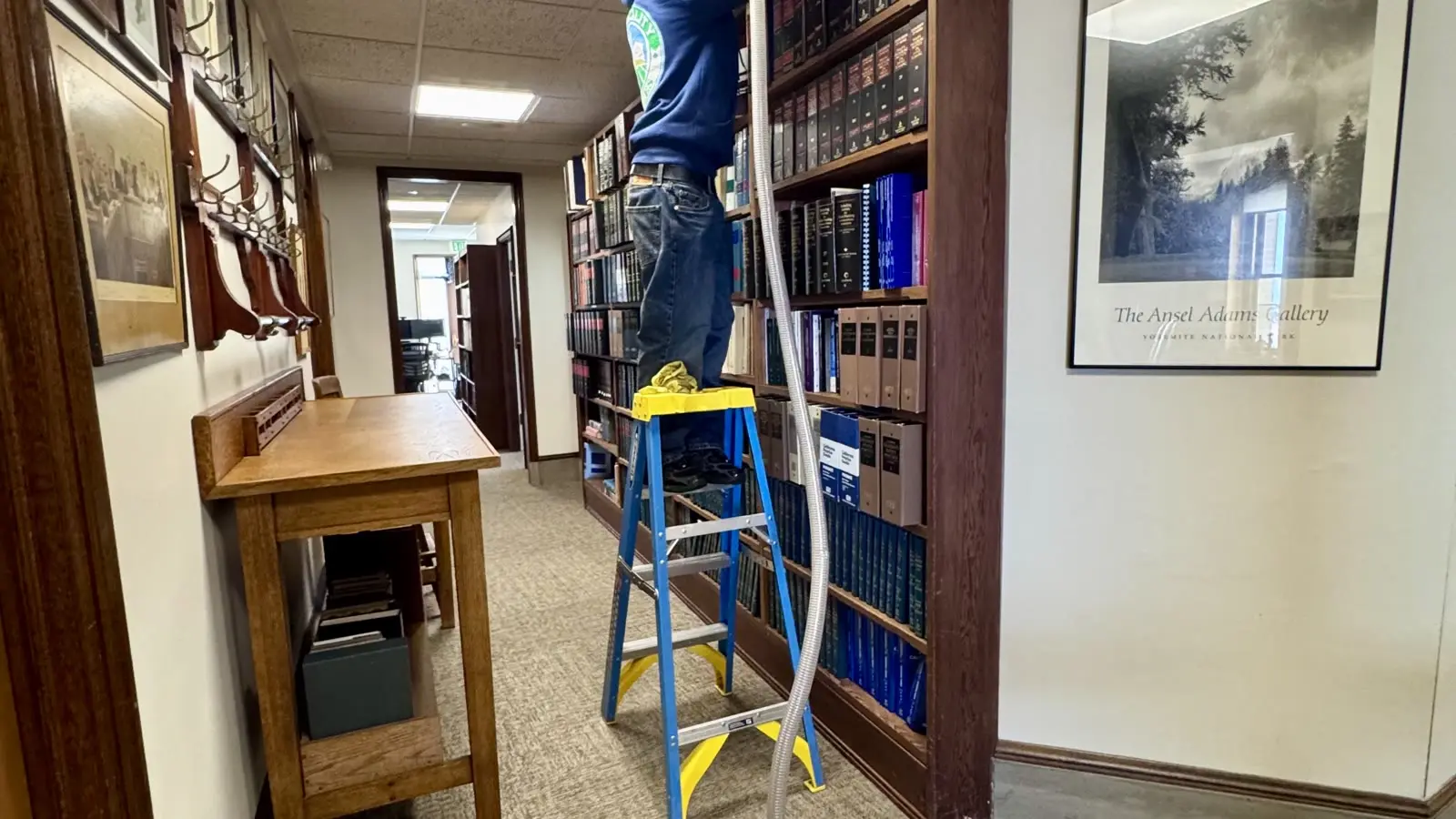
Start at the ceiling, because everything you knock loose up high falls onto the furniture and floors below. Clean high areas first and the rest of the checklist goes faster.
- Supply and return air grilles
- Light fixtures, lenses and fan blades
- Tops of shelving, cabinets, lockers and partitions
- Exposed beams, ductwork and pipes in warehouses and open ceilings
- Ledges above doors and windows
- Signs, clocks, sprinkler pipes and cobwebs in corners
Use vacuums with brush attachments or microfiber on extension poles where you can, so dust is captured instead of spread. In warehouses, churches and gyms with high ceilings, this is usually a job for a lift and a trained crew.
Ladders are where spring cleaning injuries happen. OSHA's portable ladder guidance says falls from portable ladders are one of the leading causes of occupational deaths and injuries. Its rules include inspecting the ladder before use, keeping three points of contact while climbing, and not standing on the top step unless it is designed for that. Never let staff stand on chairs or desks to reach a vent.
RelatedProfessional high dusting for ceilings, vents and fixturesStep 2: Carpets and hard floors
Floors come after the high work and the furniture wipe-down, because they catch everything that falls. Spring is a good time for restorative floor work, since winter rain tracks the most soil into a building.
Carpet:
- Vacuum thoroughly, including edges and under desks.
- Treat spots and traffic lanes before deep cleaning.
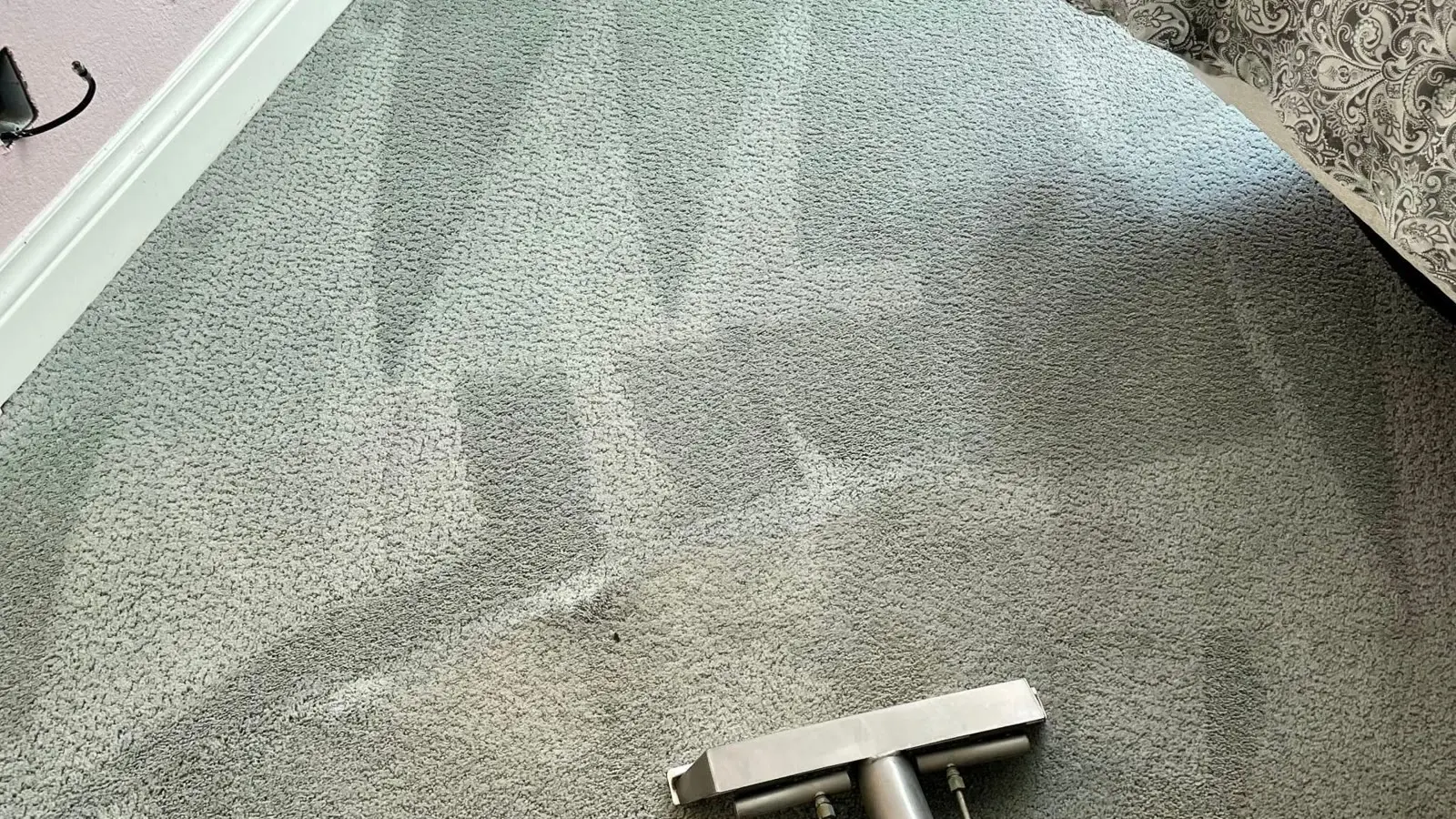
- Deep clean with hot water extraction, focusing on entrances, hallways and break areas.
- Allow enough drying time before furniture goes back and people walk on it.
Hard floors:
- Strip and refinish worn vinyl composition tile, or scrub and recoat if the finish is in fair shape.
- Deep clean tile and grout lines in restrooms and kitchens.
- Clean and condition wood floors with products the manufacturer approves.
- Check stone floors for etching. The Natural Stone Institute warns that lemon, vinegar or other acids may dull or etch calcareous stone, and recommends a neutral cleaner.
Replace or deep clean entrance mats. They trap soil before it spreads, and a saturated mat stops working. Keep floors dry during the work and mark wet areas clearly, in line with OSHA's requirement to keep floors clean and dry where feasible.
RelatedTruck-mounted commercial carpet cleaningStep 3: Windows, glass and blinds
Spring is the natural time for a full inside-and-out window cleaning, because winter storms leave spots, pollen and grime on the glass. The National Glass Association says twice-yearly cleaning is generally sufficient for architectural glass, with more frequent cleaning in harsher environments, so spring is one of the two visits for many buildings.
- Exterior glass, frames and sills
- Interior glass, including partitions, conference rooms and door glass
- Screens and window tracks
- Blinds and shades, dusted or cleaned in place
- Skylights and clerestory windows, if accessible
- Glass entry doors and push plates
Schedule window cleaning after the high dusting and before final floor work, since drips from sills and frames can land on floors. Pick a time when the glass is in shade; the Glass Association advises against cleaning tinted or coated glass in direct sun because the surface can be too hot for good results.
RelatedHow often commercial windows need cleaningStep 4: Restrooms and break rooms
Restrooms and break rooms get daily attention, so the spring list targets the details daily cleaning misses.
Restrooms:
- Scrub grout lines and floor drains.
- Clean behind and under toilets, urinals and sinks.
- Wipe partition tops, hinges and door edges.
- Descale faucets, flush valves and fixtures.
- Clean exhaust fan grilles and replace burned-out lights.
- Check caulk and grout for gaps that let water through.
Break rooms:
- Empty, clean and sanitize the refrigerator, including shelves and gaskets, and toss anything unlabeled or expired.
- Clean the microwave, toaster and coffee maker inside and out.
- Wipe cabinet fronts, handles and the tops of cabinets.
- Pull out movable appliances and clean behind them.
- Degrease the backsplash and the wall near cooking appliances.
- Clean chair and table legs, not just the tops.
If your building has a commercial kitchen, spring is also a good time to schedule a deep clean of hoods, equipment and floors.
RelatedCommercial Cleaning in Salinas and Monterey CountyStep 5: Storage rooms, closets and back-of-house areas
Storage areas are where clutter, dust and moisture problems hide, and OSHA's housekeeping rule covers storerooms and service rooms too.
- Clear out old furniture, equipment and boxes you no longer need.
- Dust shelving and vacuum or mop floors under and behind stored items.
- Keep aisles and exits clear.
- Look for water stains, musty smells or damp boxes, especially near water heaters, sinks and outside walls.
- Check janitor closets: clean the mop sink, toss empty or unlabeled containers, and store chemicals properly.
- Clean electrical and mechanical room floors, staying clear of live equipment.
If you find a leak or wet materials, act fast. The EPA's guide to mold and moisture says drying water-damaged areas and items within 24 to 48 hours usually prevents mold growth, and recommends keeping indoor humidity below 60 percent.
While you are in the back of the building, do a quick safety walk. OSHA requires portable fire extinguishers to be visually inspected monthly and to get an annual maintenance check, so confirm the tags are current.
RelatedOur high dusting serviceStep 6: The outside of the building
The exterior is the first thing visitors see, and winter leaves it stained. Spring exterior work usually includes:
- Pressure washing sidewalks, entries and drive-thru lanes
- Soft washing painted walls, stucco and awnings that cannot take high pressure
- Cleaning dumpster pads and trash enclosures
- Removing gum, oil spots and rust stains from concrete
- Washing signs, light poles and planters
- Clearing leaves and debris from walkways and drains
Watch where the wash water goes. The City of Carmel-by-the-Sea, for example, states that dumping wash water into the gutter or storm drain is illegal because storm drains flow to creeks and the ocean without treatment, and asks businesses to prevent wash water from reaching storm drains. Check your own city's rules before washing outdoor surfaces, and hire contractors who know how to contain runoff.
Do exterior work last if dust and spray could blow into open doors, or first if you want entrances clean before the indoor crews start tracking in and out.
RelatedCommercial pressure washing for entries and sidewalksPlanning the deep clean in Salinas and Monterey County
Plan the work in the order above: high areas, then fixtures and furniture, then glass, then floors, with exterior work timed around foot traffic. Agree on the scope in writing, list rooms that are off limits, and decide who moves furniture and electronics. Tell staff a week ahead so desks get cleared.
Split the list between in-house staff and specialists. Your janitorial crew can handle break rooms, closets and detail work. Lifts for high dusting, carpet extraction, floor stripping, window cleaning and pressure washing usually go to a crew with the right equipment.
A&G Facility Cleaning Services, at 161 Main St in Salinas, handles commercial deep cleaning, high dusting, carpet cleaning, floor stripping and waxing, window cleaning and pressure washing for offices, schools, medical offices, warehouses, retail stores and churches across Monterey County. The company is licensed and insured, and estimates are free. Call (831) 208-1314 to plan your spring clean.
RelatedA daily and weekly office cleaning checklistCommercial spring cleaning checklist by area
Work through the areas in this order. Routine tasks can stay with your janitorial staff; equipment-heavy tasks usually go to specialists.
| Area | Spring deep-clean tasks | Usually handled by |
|---|---|---|
| Ceilings and high areas | Vents, light fixtures, beams, tops of shelves and partitions | Specialist crew with lifts for high ceilings |
| Furniture and fixtures | Desks, chairs, cabinets, door frames, switches | Janitorial staff |
| Windows and glass | Inside and out, screens, tracks, blinds | Window cleaning crew |
| Carpet | Spot treatment, hot water extraction, entrance mats | Carpet cleaning crew |
| Hard floors | Strip and refinish or scrub and recoat, grout cleaning | Floor care crew |
| Restrooms | Grout, behind fixtures, partitions, descaling, exhaust fans | Janitorial staff or deep clean crew |
| Break rooms | Refrigerator cleanout, appliances, behind equipment | Janitorial staff |
| Storage and back of house | Declutter, dust shelves, check for leaks, clear exits | In-house staff |
| Exterior | Sidewalks, entries, walls, dumpster pads, signs | Pressure and soft washing crew |
Ceilings and high areas
- Spring deep-clean tasks
- Vents, light fixtures, beams, tops of shelves and partitions
- Usually handled by
- Specialist crew with lifts for high ceilings
Furniture and fixtures
- Spring deep-clean tasks
- Desks, chairs, cabinets, door frames, switches
- Usually handled by
- Janitorial staff
Windows and glass
- Spring deep-clean tasks
- Inside and out, screens, tracks, blinds
- Usually handled by
- Window cleaning crew
Carpet
- Spring deep-clean tasks
- Spot treatment, hot water extraction, entrance mats
- Usually handled by
- Carpet cleaning crew
Hard floors
- Spring deep-clean tasks
- Strip and refinish or scrub and recoat, grout cleaning
- Usually handled by
- Floor care crew
Restrooms
- Spring deep-clean tasks
- Grout, behind fixtures, partitions, descaling, exhaust fans
- Usually handled by
- Janitorial staff or deep clean crew
Break rooms
- Spring deep-clean tasks
- Refrigerator cleanout, appliances, behind equipment
- Usually handled by
- Janitorial staff
Storage and back of house
- Spring deep-clean tasks
- Declutter, dust shelves, check for leaks, clear exits
- Usually handled by
- In-house staff
Exterior
- Spring deep-clean tasks
- Sidewalks, entries, walls, dumpster pads, signs
- Usually handled by
- Pressure and soft washing crew
Questions people ask
What is the correct order of cleaning tasks in a commercial building?
Clean from top to bottom and from dry to wet. Start with high dusting of vents, lights and ledges, then wipe furniture and fixtures, then clean glass, and finish with floors, since they catch everything that falls. Do restrooms and kitchens after dry dusting so wet cleaning does not turn dust into mud. Schedule exterior washing around foot traffic so dirt is not tracked onto finished floors.
What is the difference between a standard cleaning checklist and a spring deep clean?
A standard checklist covers recurring daily and weekly tasks: trash, restrooms, high-touch surfaces, vacuuming and mopping. A spring deep clean adds work done once or twice a year: high dusting, carpet extraction, floor stripping or recoating, full window cleaning, appliance cleanouts, storage room cleanup and exterior washing. Most buildings keep the standard list going and schedule the deep clean over a weekend or slow week.
What are common mistakes in a commercial spring clean?
The most common mistakes are cleaning floors before high areas, using ladders unsafely, and using the wrong product on a surface. Others include skipping drying time for carpets, washing outdoor surfaces so wash water runs into storm drains, using acidic cleaners on stone, and not telling staff in advance, which leaves desks covered and areas unfinished. A written scope and order of work prevents most of them.
What surfaces should you never clean with vinegar?
Avoid vinegar and other acids on calcareous stone, which is stone made mainly of calcium carbonate. The Natural Stone Institute says products containing lemon, vinegar or other acids may dull or etch calcareous stones, and recommends a neutral cleaner, stone soap or mild dish detergent with warm water instead. Also follow the manufacturer's instructions for wood floors, coated glass and specialty finishes.
Who offers commercial spring cleaning in Salinas?
A&G Facility Cleaning Services, based at 161 Main St #3, in Salinas, offers commercial deep cleaning, high dusting, carpet cleaning, floor stripping and waxing, window cleaning and pressure washing across Monterey County. It serves offices, schools, medical offices, warehouses, retail stores, churches and government facilities. The company is licensed and insured and offers free estimates at (831) 208-1314.
Sources
We checked the facts in this guide against these sources.
- 1.29 CFR 1910.22, Walking-Working Surfaces: General Requirements, Occupational Safety and Health Administration
- 2.Portable Ladder Safety QuickCard, Occupational Safety and Health Administration
- 3.29 CFR 1910.157, Portable Fire Extinguishers, Occupational Safety and Health Administration
- 4.Indoor Air Quality, Report on the Environment, U.S. Environmental Protection Agency
- 5.A Brief Guide to Mold, Moisture and Your Home, U.S. Environmental Protection Agency
- 6.Proper Procedures for Cleaning Architectural Glass Products, Glass Technical Paper FB01-00 (2020), National Glass Association with GANA
- 7.Learn About Cleaning Products for Natural Stone, Natural Stone Institute
- 8.Storm Water Requirements, City of Carmel-by-the-Sea
Keep reading
 5 min read
Commercial Cleaning
Office Cleaning Checklist: Daily to Quarterly
A good office cleaning checklist splits the work by area and by frequency. Daily: trash, restrooms, break room, high-touch points and main floors. Weekly: detailed dusting, glass and edges. Monthly: vents and high dusting. Quarterly: deep carpet cleaning and hard floor refinishing.
 6 min read
Windows & Solar
How Often Should Commercial Windows Be Cleaned?
Most commercial buildings need exterior glass cleaned at least twice a year, the baseline the glass industry gives. Storefronts, entrances and restaurants need it every one to four weeks, and windy, dusty Salinas Valley sites often need it sooner.
 5 min read
Carpet & Upholstery
What Commercial Carpet Cleaning Costs, and What Drives the Price
Commercial carpet cleaning is usually priced by the square foot, and ISSA lists a range of about $0.08 to $0.25 per square foot. Your price depends on square footage, soil level, cleaning method, access hours and how much furniture has to move.
Need commercial cleaning in Monterey County?
Tell us about your property and we will send a free, no-obligation estimate.