
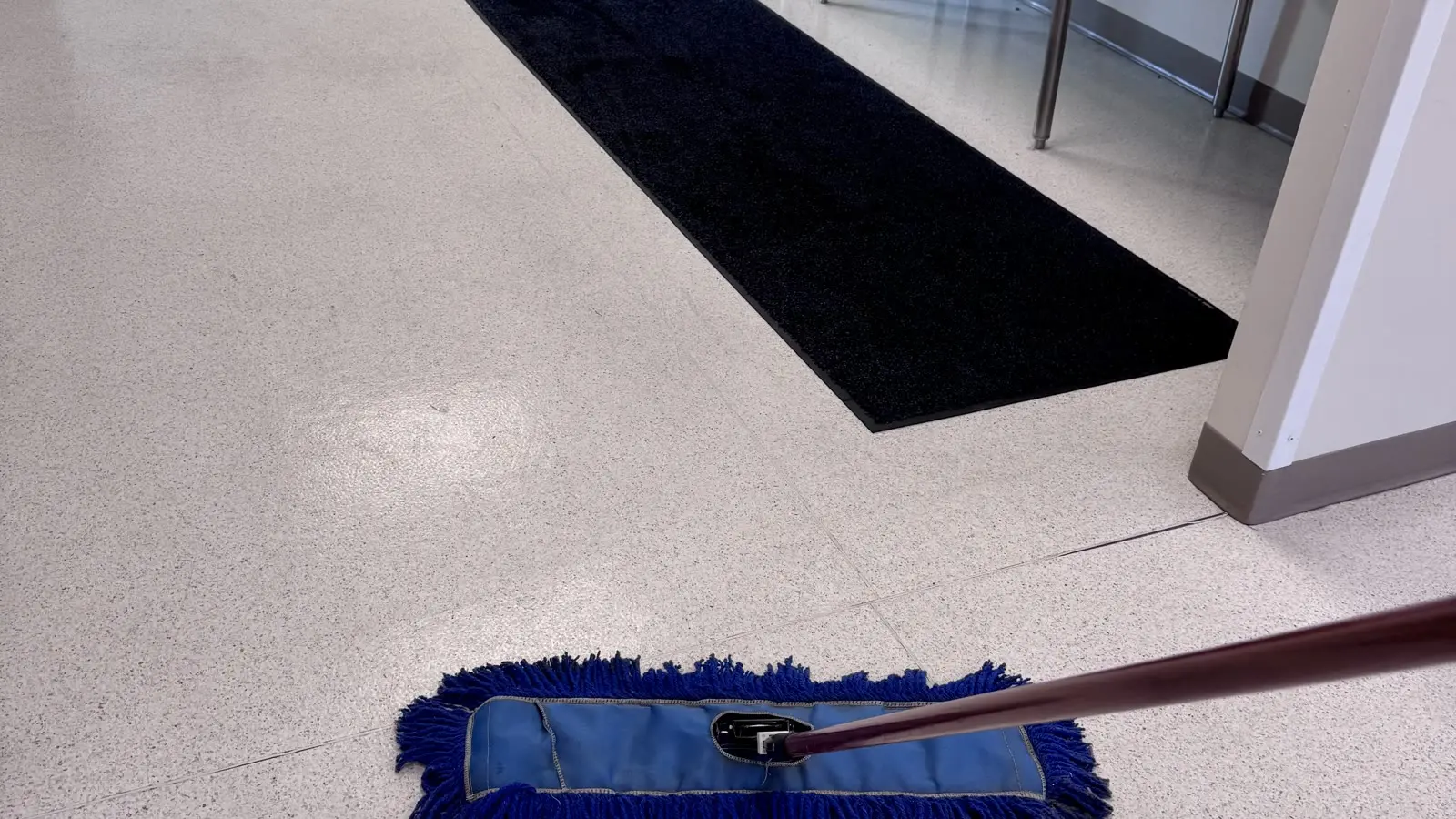
Commercial Cleaning
Medical Office Cleaning Checklist by Room
A medical office checklist covers exam rooms, the waiting room, front desk, restrooms and floors, with high-touch surfaces cleaned and disinfected more often than low-touch ones. Use EPA-registered disinfectants by the label, follow the OSHA bloodborne pathogens rules, and split tasks clearly between cleaners and clinical staff.
A&G Facility Cleaning ServicesPublished Updated 5 min read
Key takeaways
- CDC guidance says high-touch surfaces such as doorknobs and light switches should be cleaned or disinfected more often than floors and other low-touch surfaces.
- OSHA's bloodborne pathogens standard requires a written cleaning schedule and prompt decontamination of surfaces after blood spills.
- An EPA-registered disinfectant only works as labeled if the surface stays visibly wet for the full contact time.
- Cleaners handle the building; clinical staff handle instruments, patient equipment and regulated waste, and the split should be in writing.
On this page
- Start by deciding who cleans what
- The rules that shape the checklist
- Choosing and using disinfectants
- Exam room checklist
- Waiting room and front desk checklist
- Restroom checklist
- Floors in a medical office
- Getting help in Salinas and Monterey County
- Sample medical office cleaning schedule
- Questions people ask
Start by deciding who cleans what
The most useful line on a medical office checklist is the one that says who does each task. Gaps between the cleaning crew and clinical staff are where things get missed.
The CDC's Guidelines for Environmental Infection Control in Health-Care Facilities say the methods, thoroughness and frequency of cleaning are set by facility policy, and that infection control staff typically identify high-touch surfaces and coordinate a cleaning schedule with housekeeping. In a small practice, that usually means the office manager or lead clinician signs off on the plan.
A common split looks like this:
- Clinical staff: instruments, exam equipment that touches patients, exam table paper and wipe-downs between patients, sharps containers and regulated medical waste.
- Cleaning crew: floors, restrooms, waiting room, front desk, break room, trash, high-touch surfaces after hours and periodic deep work such as floor care.
Write the split down, post it, and review it when your services or layout change.
A simple sign-off sheet helps too. The crew initials each area when it is done, and the office manager can spot a missed room the next morning instead of hearing about it from a patient. Keep the sheet with the written schedule so both live in one place and get updated together.
RelatedCleaning for medical and dental officesThe rules that shape the checklist
If anyone on your cleaning schedule could reasonably contact blood or other potentially infectious materials on the job, the OSHA bloodborne pathogens standard (29 CFR 1910.1030) applies. California enforces its own version, Title 8 Section 5193, through Cal/OSHA.
The federal standard requires the employer to set a written schedule for cleaning and method of decontamination. It also says:
- Contaminated work surfaces must be decontaminated with an appropriate disinfectant after procedures, immediately or as soon as feasible after a blood spill, and at the end of the shift if they may have been contaminated.
- Reusable bins, pails and cans likely to become contaminated must be inspected and decontaminated on a regular schedule.
- Broken glass that may be contaminated must not be picked up by hand. Use a brush and dust pan, tongs or forceps.
- Training is required at initial assignment and at least once a year, and hepatitis B vaccination must be offered within 10 working days of assignment to workers with occupational exposure.
If you hire a cleaning company, ask how its workers are trained for these tasks.
RelatedTrained janitorial crews in SalinasChoosing and using disinfectants
Use an EPA-registered disinfectant and follow its label exactly. EPA's guidance on registered disinfectants says the label's directions for use explain where the product can be used, how to use it and its contact time, and that the surface should stay visibly wet for the entire contact time. If it dries early, apply more.
Every registered product carries an EPA registration number on the label. EPA groups products by the germs they are tested against. Its former Lists D and E for bloodborne pathogens have been retired and folded into List S. For blood spills, pick a product on that list.
The CDC guidelines also make a practical point: the physical removal of soil by wiping or scrubbing is probably as important as the chemical itself. Clean first, then disinfect. A disinfectant sprayed on a dirty counter does far less than the label promises.
To keep tools from spreading germs, the CDC recommends changing cleaning solutions often and laundering or replacing cloths and mop heads.
RelatedThe difference between cleaning, sanitizing and disinfectingExam room checklist
Exam rooms get the closest attention because patients and staff touch the most surfaces there. After hours, the cleaning crew should cover:
- Door handles, push plates and light switches
- Counters, cabinet pulls and the sink area
- Chairs, stools and the outside of trash and linen bins
- Soap and paper towel dispensers, refilled
- Trash removed and liners replaced
- Floor cleaned, with extra attention around the exam table and sink
- Walls and blinds spot-cleaned when visibly soiled
Leave clinical items to clinical staff unless your written plan says otherwise. That includes the exam table surface, blood pressure cuffs, otoscopes and anything else that touches patients. Cleaners should never open, compact or reach into sharps containers or red-bag waste.
RelatedMedical & Dental Offices in Salinas and Monterey CountyWaiting room and front desk checklist
The waiting room is where the most people pass through, so focus on what hands touch. The CDC's facility cleaning guidance says to clean high-touch surfaces regularly and to consider cleaning more often, or disinfecting as well, in high-traffic areas.
- Entry door handles and push bars
- Check-in counter, clipboards, pens and payment terminal
- Chair arms and seats, especially vinyl
- Light switches and elevator buttons
- Water fountain or dispenser
- Magazines and toys, if the practice still keeps them
- Glass on doors and the front window
- Trash emptied and floors cleaned
At the front desk, wipe phones, keyboards and shared office equipment with a product that is safe for electronics, following the device maker's guidance.
RelatedOur janitorial service serviceRestroom checklist
Patient restrooms see heavy use, and they set the impression of the whole practice. The CDC lists the wall areas around the toilet among the high-touch surfaces that deserve more frequent cleaning.
- Toilets and urinals inside and out, including handles and seats
- Sinks, faucets and counters
- Door handles, locks and grab bars
- Walls around the toilet and sink
- Mirrors
- Soap, paper towels and toilet paper refilled
- Trash and sanitary bins emptied
- Floor cleaned with a disinfectant, working toward the door
If a restroom is used for urine sample collection, add the pass-through cabinet or shelf to the list and agree with clinical staff on who handles spills there.
RelatedFloor Stripping & Waxing in Salinas and Monterey CountyFloors in a medical office
Floors need regular cleaning, but they do not need heavy disinfection in normal patient areas. The CDC guidelines state that studies show disinfecting floors offers no advantage over regular detergent and water cleaning and has minimal or no impact on healthcare-associated infections. Many practices still use a detergent-disinfectant on floors because it is hard to tell whether a spill contains body fluids.
The CDC also prefers methods that create minimal mist, aerosols or dust in patient areas, such as wet mopping and dust mopping with electrostatic materials. For carpeted waiting rooms, it warns that some cleaning methods can spread microorganisms into the air.
Vinyl tile in exam rooms and hallways holds up best with a sealed, finished surface. Periodic stripping and refinishing keeps the floor smooth and easier to clean, and the work should be scheduled when the office is closed so the finish can cure.
RelatedFloor stripping and waxing for clinicsGetting help in Salinas and Monterey County
A good medical office cleaning plan is written down, matched to your layout and reviewed with the cleaning crew. A&G Facility Cleaning Services cleans medical offices in Salinas, Monterey, Carmel-by-the-Sea, Carmel Valley, Seaside, Hollister and Watsonville, along with floor stripping and waxing, carpet cleaning and high dusting. The company is licensed and insured and offers free estimates. Call (831) 208-1314 to walk through your office and build a checklist that fits it.
RelatedSchedule a walkthrough of your officeSample medical office cleaning schedule
Adjust frequencies to your patient volume and written facility policy. Tasks marked for clinical staff stay with them.
| Area | Every cleaning visit | Weekly or periodic |
|---|---|---|
| Exam rooms | Handles, switches, counters, sink, trash, floor | Walls and blinds when soiled, cabinet fronts, vents |
| Waiting room | Door hardware, chair arms, check-in counter, floor | Upholstery, glass, carpet extraction if carpeted |
| Front desk | Counter, pens, payment terminal, trash | Phones and keyboards per maker guidance |
| Restrooms | Fixtures, grab bars, walls near toilet, refills, floor | Grout scrubbing, partitions, vents |
| Break room | Counters, sink, appliance handles, trash | Refrigerator and microwave inside |
| Hard floors | Dust mop and damp mop | Scrub and recoat or strip and refinish |
| Clinical items | Clinical staff: exam table, patient equipment | Clinical staff: sharps and regulated waste |
Exam rooms
- Every cleaning visit
- Handles, switches, counters, sink, trash, floor
- Weekly or periodic
- Walls and blinds when soiled, cabinet fronts, vents
Waiting room
- Every cleaning visit
- Door hardware, chair arms, check-in counter, floor
- Weekly or periodic
- Upholstery, glass, carpet extraction if carpeted
Front desk
- Every cleaning visit
- Counter, pens, payment terminal, trash
- Weekly or periodic
- Phones and keyboards per maker guidance
Restrooms
- Every cleaning visit
- Fixtures, grab bars, walls near toilet, refills, floor
- Weekly or periodic
- Grout scrubbing, partitions, vents
Break room
- Every cleaning visit
- Counters, sink, appliance handles, trash
- Weekly or periodic
- Refrigerator and microwave inside
Hard floors
- Every cleaning visit
- Dust mop and damp mop
- Weekly or periodic
- Scrub and recoat or strip and refinish
Clinical items
- Every cleaning visit
- Clinical staff: exam table, patient equipment
- Weekly or periodic
- Clinical staff: sharps and regulated waste
Questions people ask
What should be on a medical office cleaning checklist?
A medical office checklist should list every room, every task and who does it. Cover exam rooms, the waiting room, front desk, restrooms, break room and floors, and put high-touch surfaces like door handles, light switches and counters at the top. Note the disinfectant used, its contact time, and how blood spills are handled under the OSHA bloodborne pathogens standard. Review the list whenever your layout or services change.
Who cleans exam rooms, clinical staff or the janitorial crew?
Usually both, for different things. Clinical staff wipe exam tables and patient equipment between patients and handle sharps and regulated waste. The janitorial crew cleans floors, sinks, counters, door handles, trash and restrooms after hours. CDC guidance leaves the exact split to facility policy, so write it down and share it with your cleaning company so nothing falls between the two.
What disinfectant should a medical office use?
Use an EPA-registered disinfectant that is labeled for the surfaces and germs you are dealing with. For blood and body fluid spills, EPA groups suitable products on List S, which replaced the older Lists D and E. Follow the label for dilution and contact time, and keep the surface visibly wet for that whole time. Clean off visible soil first, because disinfectant claims assume a pre-cleaned surface.
How often should a medical office be cleaned?
Most medical offices are cleaned every day they see patients, with high-touch surfaces getting the most attention. CDC guidance says high-touch surfaces should be cleaned or disinfected more often than low-touch surfaces like floors, and that floors and window sills need cleaning on a regular basis and whenever spills or soiling occur. Periodic work such as floor refinishing happens a few times a year.
Do cleaners in a medical office need bloodborne pathogens training?
If their job could reasonably bring them into contact with blood or other potentially infectious materials, yes. OSHA's bloodborne pathogens standard requires training at initial assignment and at least once a year, and hepatitis B vaccination offered within 10 working days of assignment. In California, Cal/OSHA enforces the matching rule in Title 8 Section 5193. Ask any cleaning company how it trains its crews.
Who provides medical office cleaning in Salinas?
A&G Facility Cleaning Services, based at 161 Main St #3, in Salinas, cleans medical and dental offices across Salinas, Monterey, Carmel-by-the-Sea, Carmel Valley, Seaside, Hollister and Watsonville. Services include janitorial cleaning, floor stripping and waxing, carpet and upholstery cleaning, and high dusting. The company is licensed and insured and offers free estimates at (831) 208-1314.
Sources
We checked the facts in this guide against these sources.
- 1.Guidelines for Environmental Infection Control in Health-Care Facilities (2003), Centers for Disease Control and Prevention
- 2.Bloodborne Pathogens, 29 CFR 1910.1030, Occupational Safety and Health Administration
- 3.Title 8, Section 5193. Bloodborne Pathogens, California Department of Industrial Relations
- 4.Selected EPA-Registered Disinfectants, U.S. Environmental Protection Agency
- 5.When and How to Clean and Disinfect a Facility, Centers for Disease Control and Prevention
Keep reading
 5 min read
Commercial Cleaning
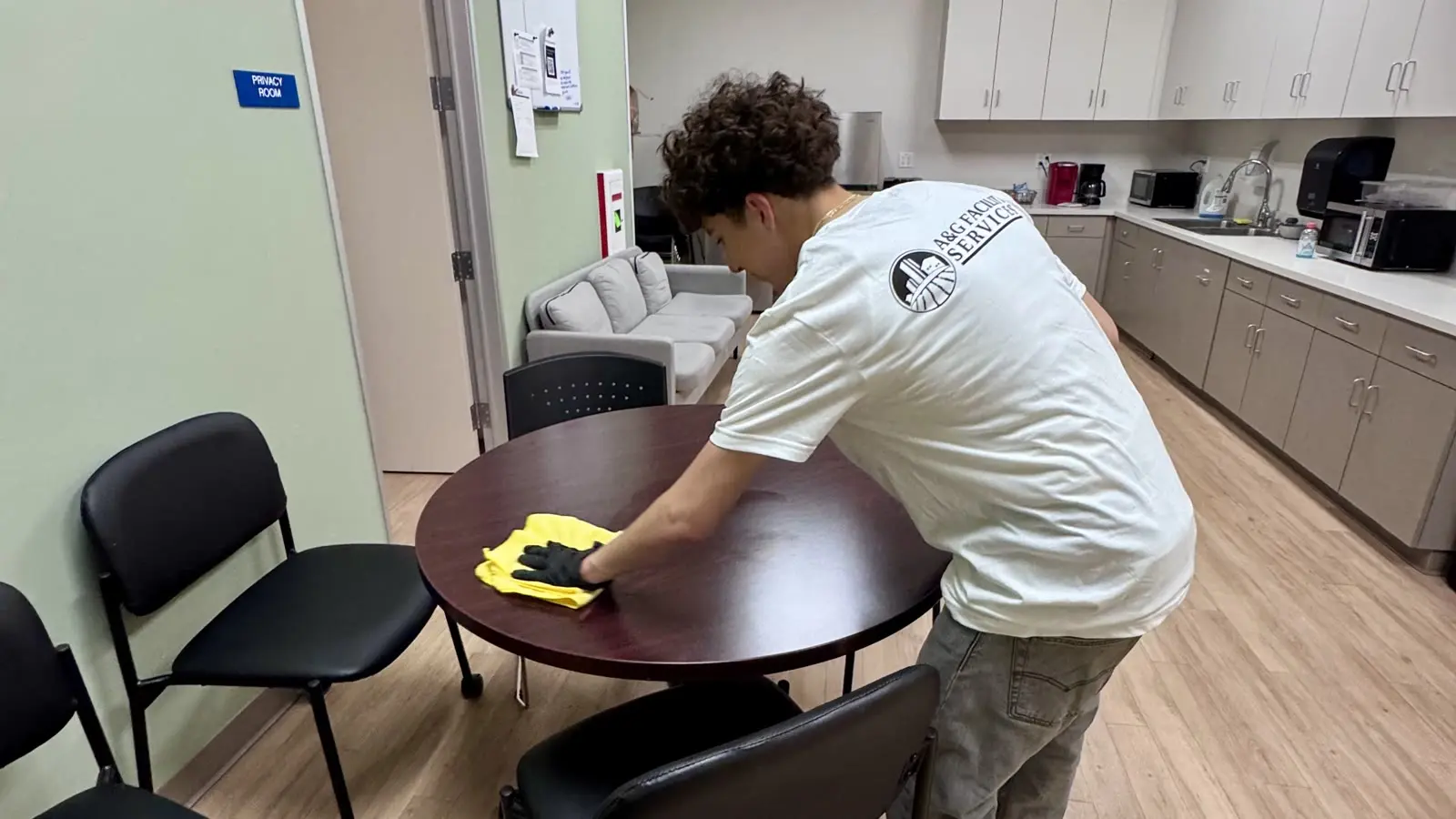
Disinfecting vs Sanitizing vs Cleaning
Cleaning removes dirt and germs with soap or detergent. Sanitizing reduces the bacteria left after cleaning. Disinfecting uses an EPA-registered product to kill viruses and bacteria, but only if the surface stays wet for the full contact time on the label.
 6 min read
Floors, Tile & Dusting
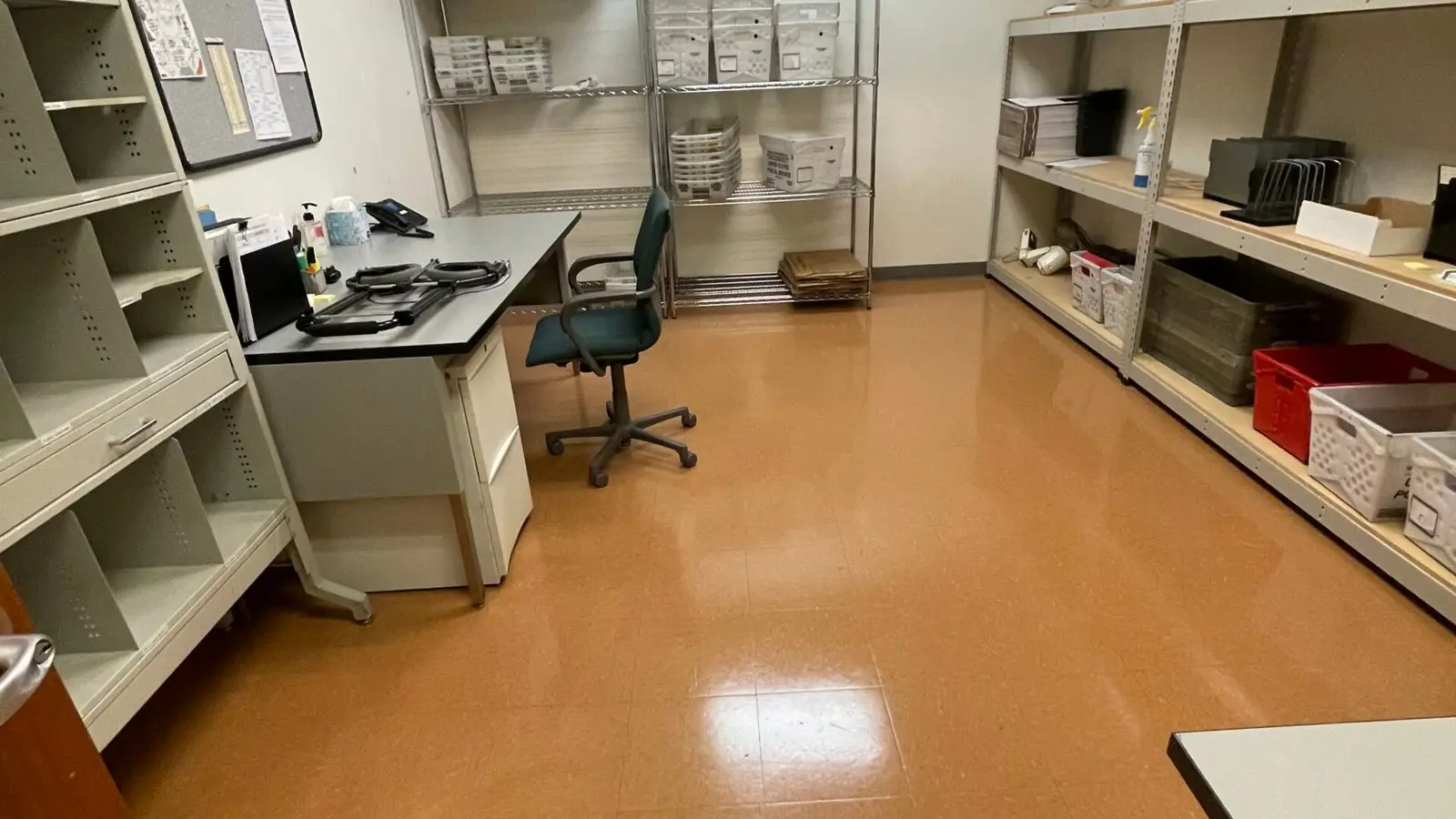
Floor Stripping and Waxing: The Process, How Often, and What It Costs
Floor stripping and waxing removes the old, dirty finish down to the bare tile, then lays down fresh coats of floor finish. Many floors only need a scrub and recoat. A full strip is for finish that is yellowed, built up, or worn through.
 6 min read
Floors, Tile & Dusting
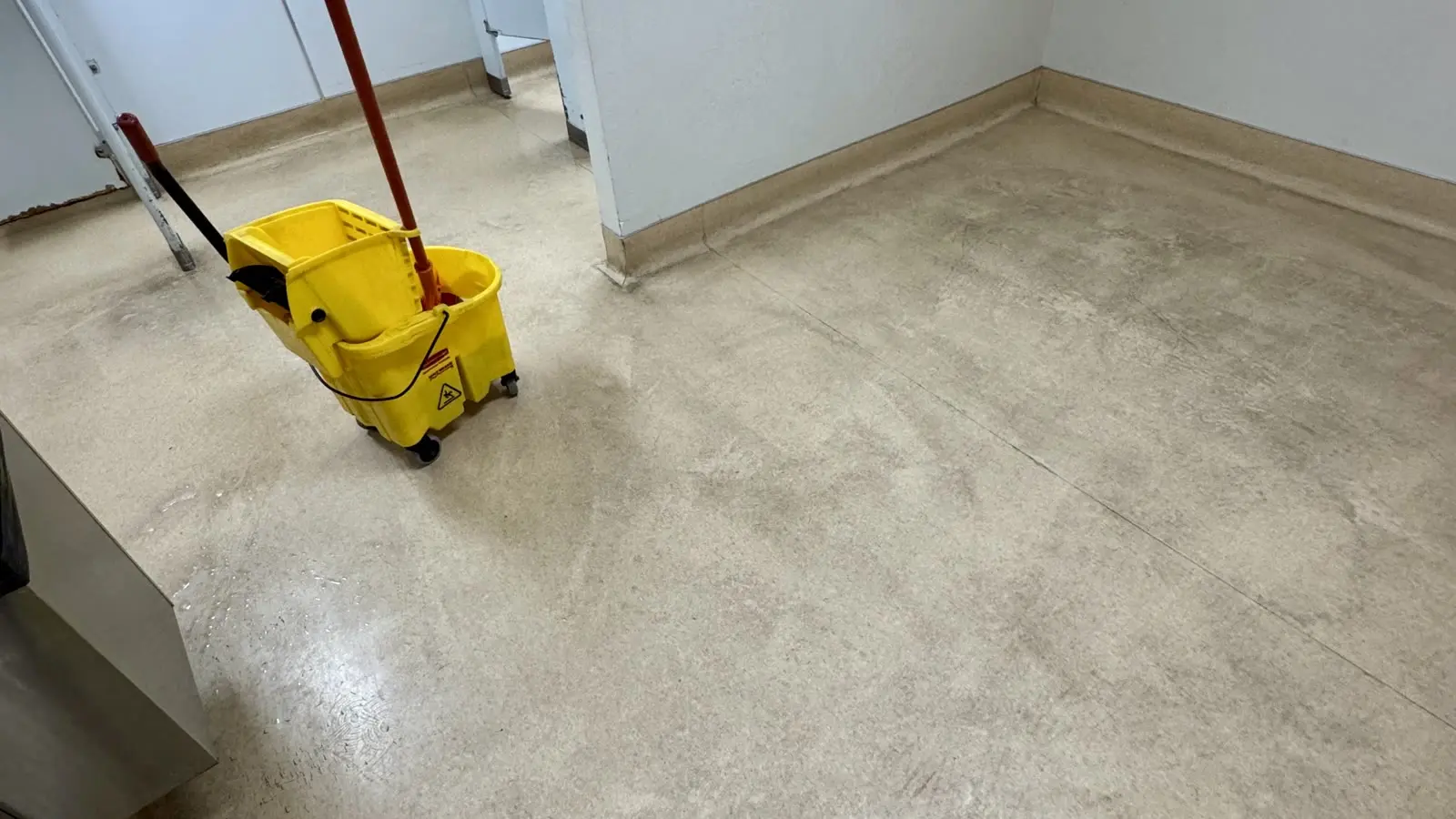
How to Clean VCT Floors: A Maintenance Guide
To clean VCT floors, dust mop to remove grit, then damp mop with a properly diluted neutral cleaner and very little water. Burnish when the shine drops, scrub and recoat when burnishing stops working, and strip only when the finish fails.
Need medical & dental offices in Monterey County?
Tell us about your property and we will send a free, no-obligation estimate.