
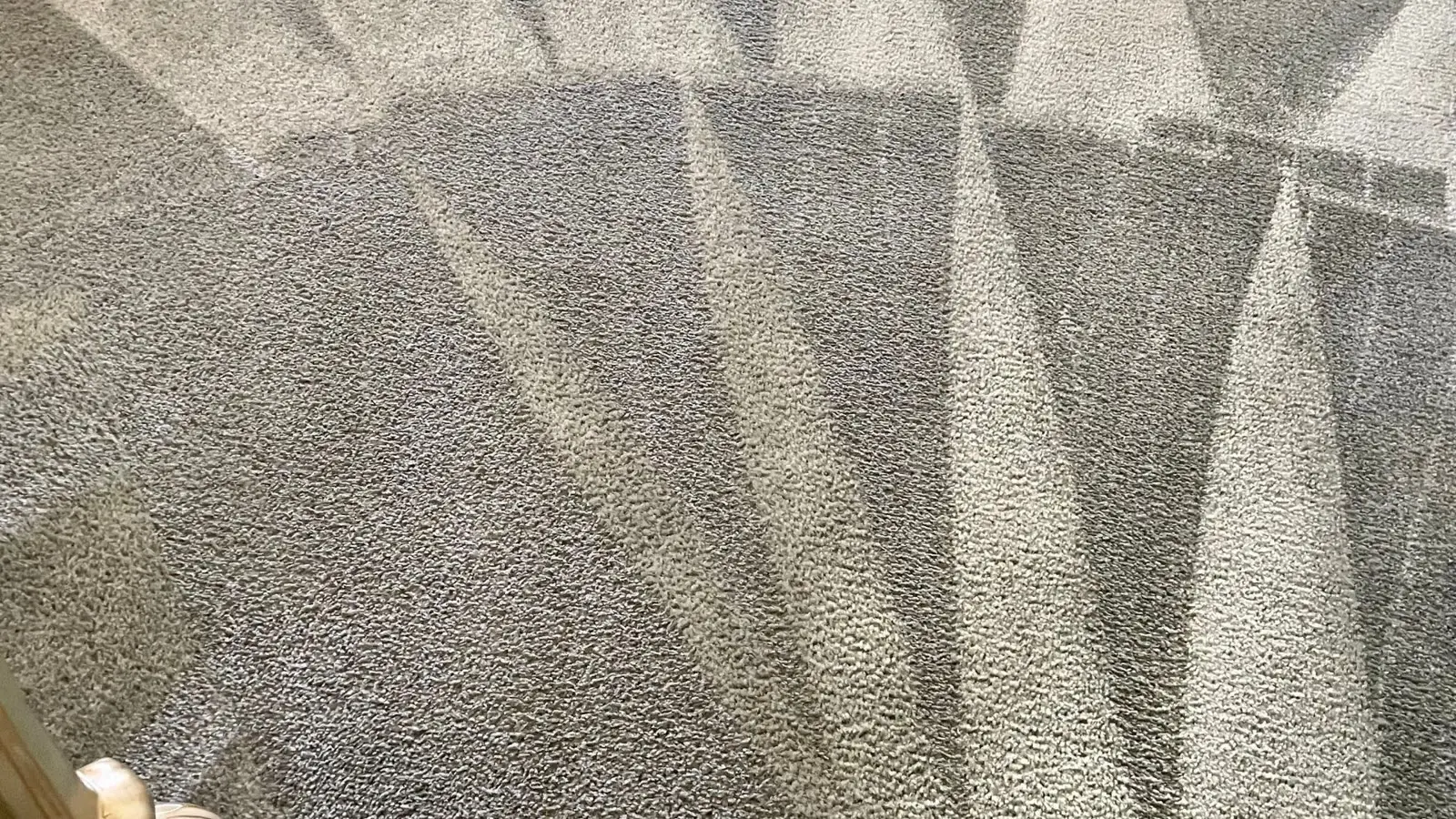
Carpet & Upholstery
Does Steam Cleaning Kill Dust Mites? The Research
Yes, heat kills dust mites. In a 1995 study, carpet squares treated with a steam cleaner had no live mites for four months, and mite allergen fell about 87 percent. Professional hot water extraction also flushes out allergen and soil, but it only helps for good when carpet dries fast and humidity stays low.
A&G Facility Cleaning ServicesPublished Updated 5 min read
Key takeaways
- In a 1995 Clinical and Experimental Allergy study, steam-treated carpet squares had no live dust mites during four months of follow-up.
- Steam treatment cut the main mite allergen, Der p 1, by a mean of 86.7 percent in carpet in a real apartment.
- In carpet trade language, steam cleaning usually means hot water extraction, not the dry steam vapor used in most studies.
- Mites come back if humidity stays above 50 percent, so cleaning works best with humidity control and fast drying.
On this page
- Short answer: heat kills dust mites
- What later studies found
- Steam cleaning versus hot water extraction
- What about bacteria and mold spores?
- Limits: mites come back without humidity control
- Dry it fast, or you trade mites for mold
- Getting help in Salinas and Monterey County
- What the studies tested and found
- Questions people ask
Short answer: heat kills dust mites
Heat is one of the most reliable ways to kill dust mites, and steam has been tested on carpet directly. In 1995, Colloff, Taylor and Merrett published a study in Clinical and Experimental Allergy that treated carpet squares seeded with house dust mites using a domestic steam cleaner. No live mites were found in the treated squares at any point over four months. In the untreated squares, the mite population kept growing, from a geometric mean of 11 after three days to 185 after four months.
The same team tested carpet in a tenement flat in Glasgow. After steam treatment, the main dust mite allergen, Der p 1, dropped by a mean of 86.7 percent, compared with 4.7 percent in untreated control areas. The authors concluded steam cleaning has considerable potential as an effective way to kill mites and reduce allergen in homes.
This is the same reason allergy groups recommend hot water for bedding. The Asthma and Allergy Foundation of America (AAFA) says to wash sheets and blankets in water of at least 130 degrees Fahrenheit to kill dust mites.
RelatedTruck-mounted steam carpet cleaningWhat later studies found
Later research points the same way, with useful details about how long results last. A 2001 study in Environmental Health Perspectives looked at low-income urban homes and found that dry steam cleaning plus vacuuming significantly reduced dust mite allergen in carpet. The drop lasted up to eight weeks. With vacuuming alone, allergen levels were close to where they started by four weeks.
A 2014 study in the Journal of Occupational and Environmental Hygiene compared vacuuming, steam vapor, neem oil and a quaternary ammonium disinfectant on carpet that had been artificially worn and seeded with mites and mold. Steam vapor gave the greatest reduction in dust mite population of the four methods. The authors wrote that steam vapor effectively killed mites and denatured mite allergen in the lab.
Two honest caveats. These were small studies, and several used mites seeded on carpet in a lab rather than a lived-in building. Results in your home or office depend on the equipment, the carpet and the room.
The practical lesson from the 2001 study is about timing. If the benefit fades within about two months, a bedroom carpet for someone with a strong mite allergy may need attention more often than the once-a-year cleaning most homes get, along with the humidity and bedding steps below.
RelatedCarpet Cleaning in Salinas and Monterey CountySteam cleaning versus hot water extraction
When a carpet cleaner says steam cleaning, they almost always mean hot water extraction. Shaw Floors uses the two terms side by side: it recommends professional hot water extraction (steam cleaning) every 6 to 18 months depending on traffic. The studies above mostly used dry steam vapor units, which is a different tool.
Hot water extraction sprays heated water and cleaning solution into the pile under pressure and pulls it back out with strong suction, along with the soil it loosened. Interface's maintenance guidelines recommend water between 110 and 130 degrees Fahrenheit and note that truck-mounted units typically run hotter than that range without harming its products.
So extraction does two things that matter for mites: it applies heat, and it physically removes mite bodies, waste and allergen-laden dust from deep in the pile. The heat from extraction is not the same as a sustained steam treatment, so it is fair to expect strong removal rather than a guaranteed kill of every mite.
RelatedHow hot water extraction compares with other carpet cleaning methodsWhat about bacteria and mold spores?
Hot water extraction removes a large share of what is in carpet, but cleaning is not the same as disinfecting. A 2017 study in the Journal of Feline Medicine and Surgery contaminated carpet with ringworm fungal spores and tested several cleaning methods. Carpet cleaned with one hot water extraction technique went from more than 300 colony-forming units per sample site to a mean of 5.5 at 24 and 48 hours, and 2 at seven days. Hot water extraction also dried fastest and caused no discoloration, while disinfectants left odor and permanent color damage.
We did not find a peer-reviewed study that puts a clear number on bacteria removal from carpet by hot water extraction, so we will not quote one. If you need carpet sanitized, for example after a sewage leak or in a clinical space, that calls for a specific sanitizing product and process, not just a regular cleaning.
RelatedThe difference between cleaning, sanitizing and disinfectingLimits: mites come back without humidity control
No cleaning method keeps mites away by itself, because mites repopulate wherever conditions suit them. AAFA says dust mites like humidity above 50 percent and recommends keeping indoor humidity between 30 and 50 percent. It also says vacuuming alone is not enough to remove all mites and their waste.
Mites also live in places carpet cleaning never touches: mattresses, pillows, curtains and upholstered furniture. If a bedroom carpet is cleaned but the bedding is not washed hot, the room will be reseeded quickly.
A practical plan for allergy-prone homes:
- Wash bedding weekly in water of at least 130 degrees Fahrenheit, as AAFA advises
- Run a dehumidifier if readings stay above 50 percent
- Vacuum weekly with a HEPA-filter vacuum
- Schedule hot water extraction of carpets and upholstery on a regular cycle
- Use washable throw rugs that can go in hot water
Dry it fast, or you trade mites for mold
The biggest risk with any wet cleaning is carpet that stays damp, because moisture helps both mites and mold. The EPA says water-damaged areas and items should be dried within 24 to 48 hours to prevent mold growth, and it lists the underside of carpets and pads as a place hidden mold can grow.
A good extraction leaves carpet damp, not soaked. Interface's guidelines call for several dry passes with the solution off and say to plan on at least three hours of drying under normal conditions, with the HVAC on and air movers running. Its guidelines also warn against walking on the carpet before it is dry, because that causes fiber damage and fast re-soiling.
At home, help it along:
- Open windows if the air outside is dry, or run the air conditioning
- Use fans aimed across the carpet surface
- Keep pets and kids off until it is dry to the touch
- Put foil or plastic tabs under furniture legs so they do not stain damp carpet
Getting help in Salinas and Monterey County
If someone in your home or office has dust mite allergies, the best results come from pairing professional extraction with the habits above. A cleaner can also treat area rugs and upholstery on the same visit, which covers more of the places mites live.
A&G Facility Cleaning Services offers truck-mounted steam carpet cleaning with eco-friendly products for homes and businesses in Salinas, Monterey, Seaside, Carmel, Hollister and Watsonville, along with area rug and upholstery cleaning. Estimates are free.
RelatedArea rug cleaningWhat the studies tested and found
Peer-reviewed studies on steam or hot water cleaning of carpet. All are small, and several used mites or spores seeded in a lab.
| Study | What was tested | What it found |
|---|---|---|
| Colloff et al., Clinical and Experimental Allergy, 1995 | Domestic steam cleaner on mite-seeded carpet squares and on carpet in a Glasgow flat | No live mites in treated squares for 4 months; Der p 1 allergen down a mean 86.7 percent vs 4.7 percent in controls |
| Vojta et al., Environmental Health Perspectives, 2001 | Dry steam cleaning plus vacuuming vs vacuuming alone in low-income urban homes | Steam plus vacuuming cut carpet mite allergen for up to 8 weeks; vacuuming alone was near starting levels by 4 weeks |
| Ong et al., Journal of Occupational and Environmental Hygiene, 2014 | Vacuuming, steam vapor, neem oil and a quat disinfectant on worn carpet seeded with mites and mold | Steam vapor gave the greatest mite population reduction and denatured mite allergen in the lab |
| Moriello, Journal of Feline Medicine and Surgery, 2017 | Vacuuming, shampooing and hot water extraction on carpet seeded with ringworm spores | One extraction method cut spores from over 300 to a mean of 5.5 per site at 24 hours, dried fastest and caused no discoloration |
Colloff et al., Clinical and Experimental Allergy, 1995
- What was tested
- Domestic steam cleaner on mite-seeded carpet squares and on carpet in a Glasgow flat
- What it found
- No live mites in treated squares for 4 months; Der p 1 allergen down a mean 86.7 percent vs 4.7 percent in controls
Vojta et al., Environmental Health Perspectives, 2001
- What was tested
- Dry steam cleaning plus vacuuming vs vacuuming alone in low-income urban homes
- What it found
- Steam plus vacuuming cut carpet mite allergen for up to 8 weeks; vacuuming alone was near starting levels by 4 weeks
Ong et al., Journal of Occupational and Environmental Hygiene, 2014
- What was tested
- Vacuuming, steam vapor, neem oil and a quat disinfectant on worn carpet seeded with mites and mold
- What it found
- Steam vapor gave the greatest mite population reduction and denatured mite allergen in the lab
Moriello, Journal of Feline Medicine and Surgery, 2017
- What was tested
- Vacuuming, shampooing and hot water extraction on carpet seeded with ringworm spores
- What it found
- One extraction method cut spores from over 300 to a mean of 5.5 per site at 24 hours, dried fastest and caused no discoloration
Questions people ask
Does steam cleaning kill dust mites in carpet?
Research says yes. In a 1995 study published in Clinical and Experimental Allergy, carpet squares treated with a steam cleaner had no live dust mites at any point over four months, and the main mite allergen dropped by a mean of 86.7 percent in treated carpet. Mites can return if indoor humidity stays above 50 percent.
Do steam cleaners kill bacteria?
Heat and extraction remove many microbes along with soil. A 2017 study found one hot water extraction method cut fungal spores on carpet from over 300 to about 5.5 per sample site. Cleaning is not the same as disinfecting, though. For a sanitized result, such as after a sewage leak, a specific sanitizing product and process is needed.
How long do you have to stay off carpet after steam cleaning?
Plan on at least three hours under normal conditions, and longer in cool or humid weather. Interface's maintenance guidelines say to keep foot traffic off carpet until it is dry, because walking on it damp can damage fibers and cause fast re-soiling. Running the HVAC and fans shortens drying time.
What kills dust mites immediately?
Heat is the most practical option. Steam treatment killed all mites in carpet squares in a 1995 study, and the Asthma and Allergy Foundation of America says washing bedding in water of at least 130 degrees Fahrenheit kills dust mites. Lowering indoor humidity to 30 to 50 percent keeps new mites from thriving.
How can you tell if you have dust mites?
You usually cannot see them. AAFA says dust mites are too small to see with the naked eye and live in nearly every home except in very dry or high-altitude places. Most people learn they react to mites through allergy symptoms and testing by a doctor, not by spotting them in carpet or bedding.
Who offers steam carpet cleaning in Salinas?
A&G Facility Cleaning Services in Salinas provides truck-mounted steam carpet cleaning with eco-friendly products, plus area rug and upholstery cleaning. The company serves Salinas, Monterey, Carmel, Seaside, Hollister and Watsonville, is licensed and insured, and offers free estimates at (831) 208-1314.
Sources
We checked the facts in this guide against these sources.
- 1.The use of domestic steam cleaning for the control of house dust mites (Colloff, Taylor and Merrett, 1995), Clinical and Experimental Allergy, via PubMed
- 2.A study on physical interventions for reducing dust mite allergens in low-income urban homes (Vojta et al., 2001), Environmental Health Perspectives, via PubMed Central
- 3.Inactivation of dust mites, dust mite allergen, and mold from carpet (Ong et al., 2014), Journal of Occupational and Environmental Hygiene, via PubMed
- 4.Decontamination of carpet exposed to Microsporum canis hairs and spores (Moriello, 2017), Journal of Feline Medicine and Surgery, via PubMed
- 5.Dust Mite Allergy, Asthma and Allergy Foundation of America
- 6.Carpet Tile Maintenance Guidelines, Interface
- 7.A Brief Guide to Mold, Moisture and Your Home, U.S. Environmental Protection Agency
- 8.Carpet Cleaning, Shaw Floors
Keep reading
 5 min read
Carpet & Upholstery
Carpet Cleaning Methods Compared: Which Is Best?
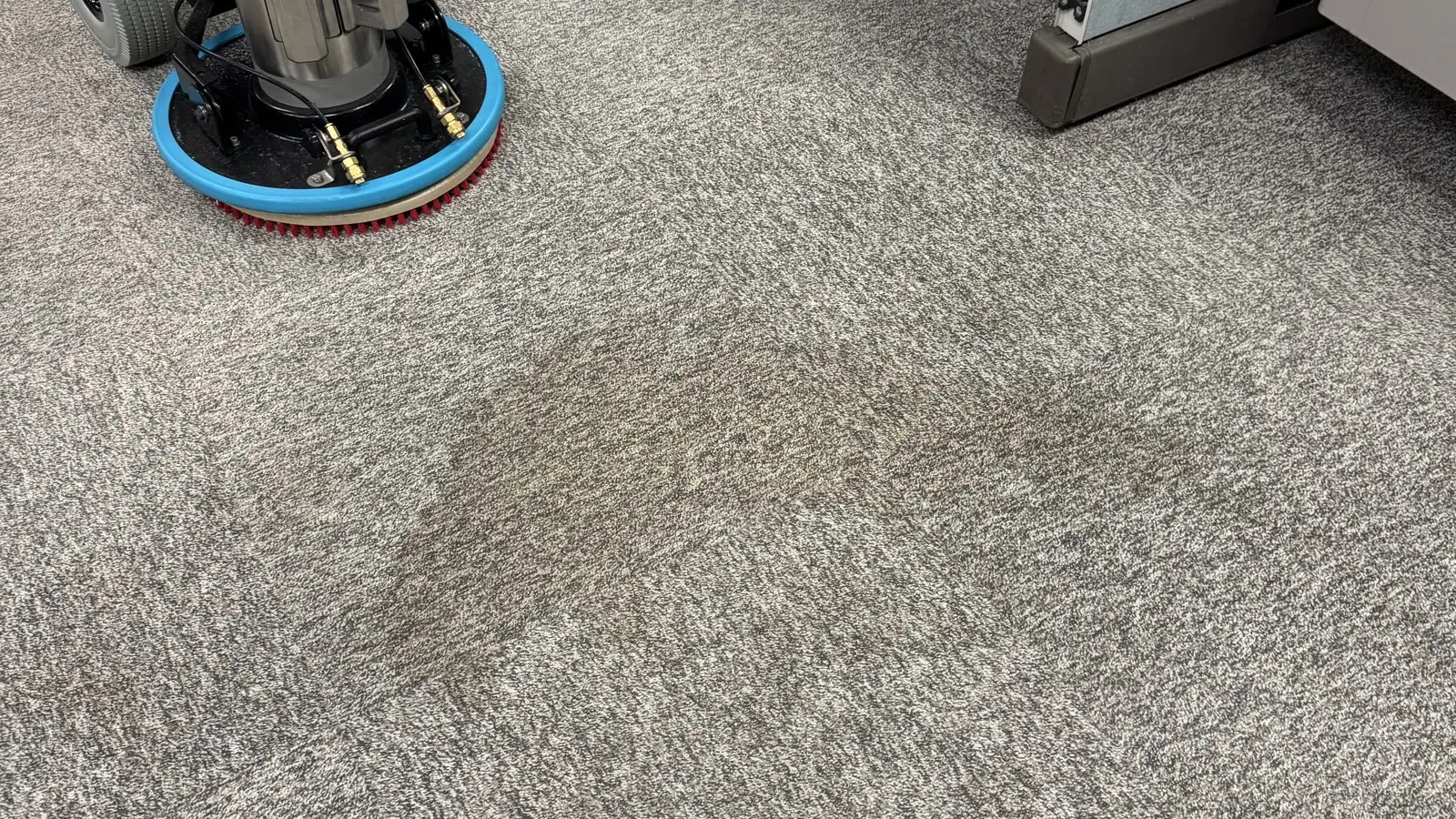
Hot water extraction is the most thorough method and the one carpet makers require for deep cleaning. Encapsulation and dry compound are fast, low-moisture interim methods that keep carpet presentable between extractions. Carpet makers advise against bonnet and rotary shampoo machines.
 5 min read
Carpet & Upholstery
How Long Does Carpet Take to Dry After Cleaning?
Carpet cleaned by hot water extraction usually dries in about four to six hours when the job is done well and air keeps moving, according to a 2019 facility cleaning trade article. Low-moisture methods dry in under an hour. Carpet still damp or musty after 24 hours points to a problem.
 5 min read
Carpet & Upholstery
Carpet Stain Removal Guide: Coffee, Wine, Pets, Ink
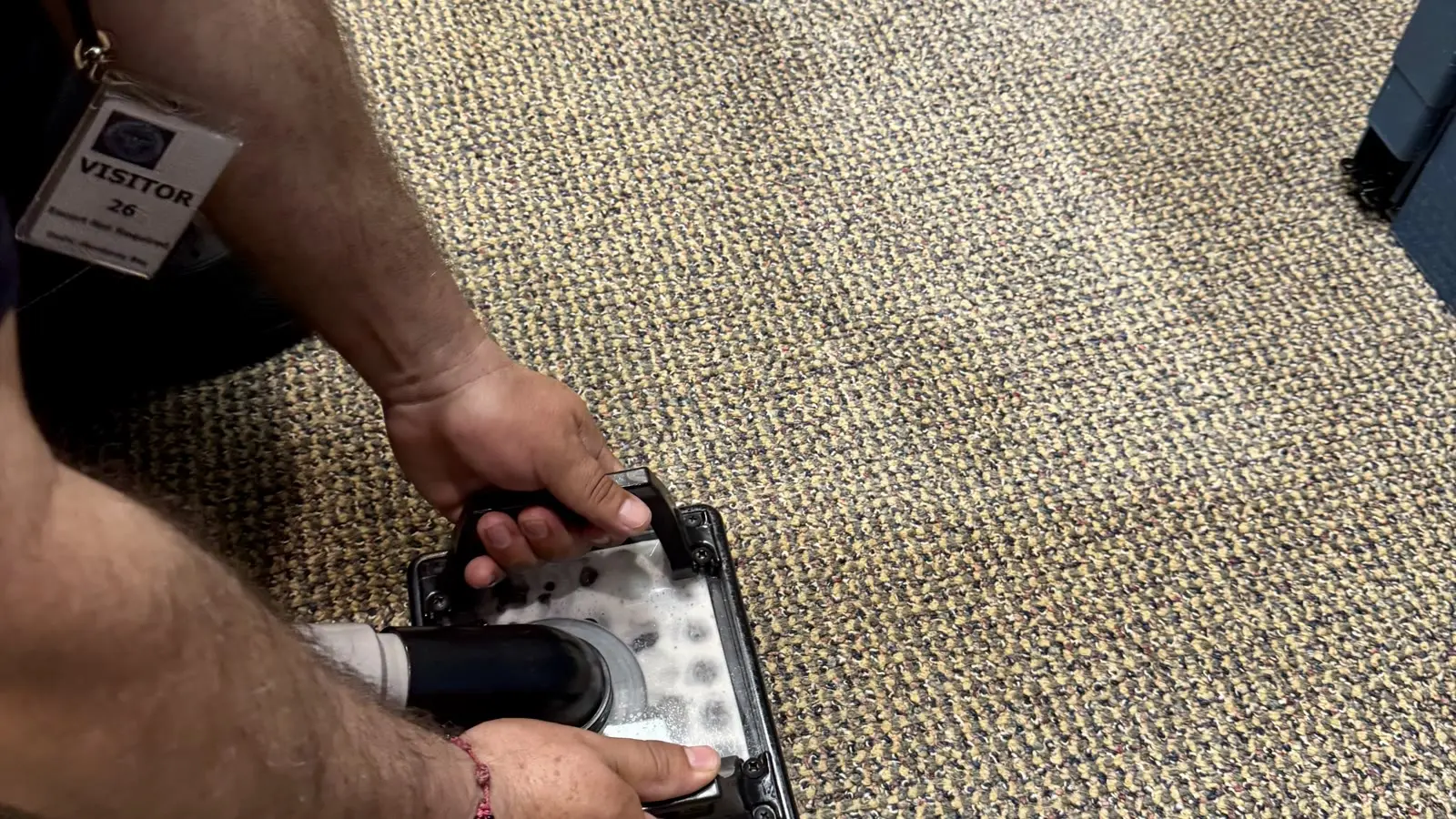
Act fast, scrape off solids, blot with a white towel from the outside in, and try plain warm water before any cleaner. Water-based spills like coffee and wine get a mild detergent solution; grease and ink need a solvent on a towel. Rinse out every cleaner and dry the spot under weighted towels.
Need carpet cleaning in Monterey County?
Tell us about your property and we will send a free, no-obligation estimate.