
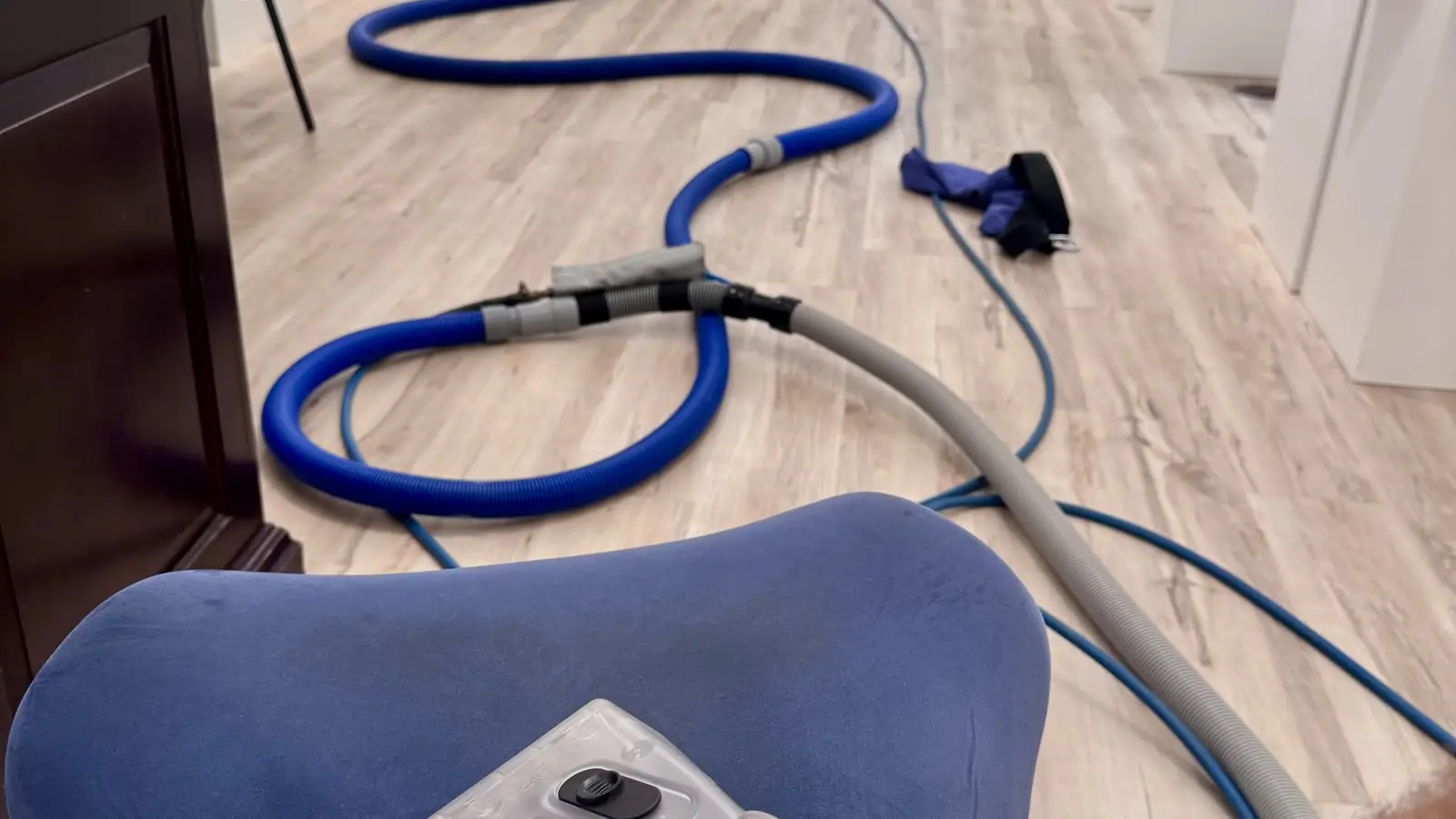
Carpet & Upholstery
Upholstery Cleaning Codes Explained: W, S, WS and X
The letter on a furniture tag tells you what can touch the fabric. W means water-based cleaners or foam, S means water-free solvent only, WS or SW allows either, and X means vacuum or brush only, with no liquid cleaner of any kind. Always pre-test a hidden spot first.
A&G Facility Cleaning ServicesPublished Updated 5 min read
Key takeaways
- The cleaning code is usually on a tag under a seat cushion or under the piece itself.
- W fabrics take water-based foam or upholstery shampoo; S fabrics take only water-free solvent.
- WS or SW fabrics accept either method; X fabrics should only be vacuumed or lightly brushed.
- Blot, never rub, use as little liquid as possible, and test every product on a hidden spot first.
- Overall soiling, S and X fabrics, velvet and loosely woven natural fibers are jobs for a professional.
On this page
Where to find the cleaning code
Most upholstered furniture has a small fabric or paper tag with a single letter or letter pair on it. That letter is the cleaning code, and it is the first thing to check before any cleaner touches the fabric.
Ashley, a major furniture manufacturer, says its upholstered products carry the tag either under one of the seat cushions or beneath the unit itself. On sofas, look under the cushions along the deck. On chairs and office seating, check the underside of the seat. Some manufacturers also print the code in the care guide or on the fabric swatch card.
The codes are voluntary, but they are widely used. A Virginia Cooperative Extension bulletin on upholstered furniture care explains that many manufacturers label their fabrics with a letter code showing the proper cleaning method. If the tag is gone, check the receipt, the manufacturer's website or the original order before guessing.
Whatever the code, routine care is the same for every fabric. The extension bulletin recommends vacuuming cushions once a week with an upholstery attachment, never dusting with a stiff brush, fluffing and turning cushions regularly, and keeping furniture out of direct sunlight, which fades fabric and weakens it. Dry soil removed by vacuuming never has to be cleaned out with liquid later.
RelatedProfessional upholstery cleaning for any fabric codeWhat W, S, WS and X mean
Each code names the type of cleaner the fabric tolerates. Definitions below come from the Virginia Cooperative Extension bulletin and Ashley's published code list.
- W: water-based cleaning. Spot clean with the foam from a mild detergent or a non-solvent upholstery shampoo, applied with a soft brush. Ashley adds: do not over-wet, and do not use solvents to spot clean.
- S: solvent only. Use a mild water-free solvent or dry cleaning product in a well-ventilated room. Ashley says not to use water and not to saturate. The extension bulletin recommends cleaning by a professional furniture cleaning service only.
- WS or SW: either method. Spot clean with a mild solvent, an upholstery shampoo or the foam from a mild detergent. Ashley lists WS and SW as the same code.
- X: no liquid cleaners at all. Clean only by vacuuming or light brushing. The extension bulletin warns that water-based foam or solvent cleaners of any kind may cause shrinking, fading or pile distortion.
You may also see codes for machine washable covers, dry clean only, or leather, which vary by manufacturer.
RelatedUpholstery Cleaning in Salinas and Monterey CountySpot cleaning do's and don'ts
Fast, gentle action removes most spills. The Virginia Cooperative Extension bulletin lays out the basics, and they still hold:
- Act quickly. If allowed to set, a stain can become permanent.
- Blot liquids with a clean absorbent cloth dampened in cool or lukewarm water. Never use hot water, which can set the stain.
- Do not press hard or soak the fabric, or liquid will reach the filling.
- Scrape up solids gently with a dull knife or spatula.
- Pre-test any product on a hidden area. If dye bleeds or the fabric shrinks, stop and call a professional.
- Work from the outside of the stain toward the center so it does not spread.
- With detergent, use only the foam, not the liquid.
- Speed drying with a fan or a hair dryer on cool. Fast drying helps prevent water rings.
Two more don'ts. Both the bulletin and Ashley say not to remove zippered cushion covers to wash or dry clean them; the zippers are for fit, not laundering. And the IICRC warns that benzoyl peroxide, common in acne products, can bleach textiles when hot water activates it, so keep hot water away from those spots.
RelatedOur carpet cleaning serviceFabrics that need a professional
Some fabrics and some situations are worth handing off, even when the code technically allows home cleaning.
S and X fabrics: the extension bulletin recommends professional cleaning only for S, and X fabrics cannot take any liquid at home. A professional can choose methods and products matched to the fiber.
Velvet and other pile fabrics: the bulletin notes that pile fabrics such as velvet and corduroy hold everyday dust on the surface, but when a spill happens it soaks into the base of the fabric and may be hard to remove. Ashley adds that pile fabrics may need brushing to restore their look after cleaning.
Loosely woven natural fibers: the bulletin singles out Haitian cotton, a thick-and-thin 100 percent cotton weave. It absorbs dirt and dye easily, shrinks, and is damaged by both dry cleaning, which dissolves its latex backing, and wet cleaning, which shrinks it.
Overall soiling: for all codes, the bulletin advises using a professional once the piece is soiled overall rather than in spots. Spot cleaning a whole sofa leaves rings and uneven color.
RelatedWhat professional upholstery cleaning costsLeather and vinyl basics
Leather and vinyl do not use the W, S, WS and X system, and care depends on how the leather was finished.
The Virginia Cooperative Extension bulletin says most modern leather is treated to resist drying and cracking. Treated leather only needs regular dusting with a dry cloth and occasional cleaning with mild soap and warm water, wiping the suds away with a clean damp cloth and buffing dry. It warns never to use leather creams, saddle soap or oil treatments on treated leather, because they can harm the finish. Ballpoint ink may be permanent unless sponged off right away.
Antique or untreated leather is different and does benefit from occasional conditioning. The bulletin also advises keeping leather out of direct sun and never covering it with plastic.
Vinyl cleans like treated leather, but the bulletin notes it can pick up dye from colored items, such as jeans, and can be damaged by solvents in household cleaners and nail polish remover. Some manufacturers, including Ashley, use their own leather codes and direct owners to a specific leather care kit.
RelatedUpholstery Cleaning in Salinas and Monterey CountyOffice chairs, lobby seating and other heavy-use pieces
Commercial seating follows the same codes, but it gets dirty faster and is cleaned in bulk. Check the code on one of each chair model before treating a whole room.
Task chairs and lobby seating come in many fabrics and codes, and a conference room may have three chair models with three different codes. Vinyl and faux leather seating wipes clean easily, but per the extension bulletin vinyl can be damaged by solvent cleaners, so check before using any disinfecting wipe that contains solvents.
Drying matters more with fabric seats than many people expect. The EPA notes that upholstered furniture may be difficult to completely dry within 48 hours after water damage. For routine cleaning, that is a reason to use as little moisture as possible and keep air moving so chairs are ready by morning.
RelatedCarpet cleaning for the same roomsGetting help in Salinas and Monterey County
If the tag is missing, the code is S or X, or the whole piece needs cleaning, a professional can test the fabric and choose the right method. A&G Facility Cleaning Services in Salinas cleans upholstery for homes, offices and medical waiting rooms in Salinas, Monterey, Carmel, Seaside, Hollister and Watsonville. Free estimates are available at (831) 208-1314.
RelatedAsk for a free upholstery cleaning estimateUpholstery cleaning codes at a glance
Summary based on the Virginia Cooperative Extension bulletin and Ashley's cleaning code list. Always follow your own manufacturer's tag.
| Code | What you can use | What to avoid |
|---|---|---|
| W | Foam from a mild detergent or water-based upholstery shampoo | Solvents and over-wetting |
| S | Mild water-free solvent or dry cleaning product, in a ventilated room | Water and saturating the fabric |
| WS or SW | Either mild solvent or water-based foam or shampoo | Saturating the fabric with liquid |
| X | Vacuuming or light brushing only | Any liquid cleaner, water-based or solvent |
| No tag | Check the manufacturer; pre-test a hidden spot | Guessing on a visible area |
W
- What you can use
- Foam from a mild detergent or water-based upholstery shampoo
- What to avoid
- Solvents and over-wetting
S
- What you can use
- Mild water-free solvent or dry cleaning product, in a ventilated room
- What to avoid
- Water and saturating the fabric
WS or SW
- What you can use
- Either mild solvent or water-based foam or shampoo
- What to avoid
- Saturating the fabric with liquid
X
- What you can use
- Vacuuming or light brushing only
- What to avoid
- Any liquid cleaner, water-based or solvent
No tag
- What you can use
- Check the manufacturer; pre-test a hidden spot
- What to avoid
- Guessing on a visible area
Questions people ask
What does W mean on an upholstery tag?
W means the fabric can be spot cleaned with water-based products. The Virginia Cooperative Extension describes it as using the foam from a mild detergent or a non-solvent upholstery shampoo, applied with a soft brush, then vacuuming when dry. Ashley adds not to over-wet the fabric and not to use solvents. Pre-test a hidden spot first.
Can I use water on an S code couch?
No. S means solvent only. Ashley's code list says to clean with dry cleaning solvent, not to saturate, and not to use water, which can cause rings, shrinking or color change on these fabrics. The Virginia Cooperative Extension recommends professional cleaning only for S fabrics. For a fresh spill, blot gently with a dry white cloth and call a professional.
What does WS or SW mean on furniture?
WS and SW mean the same thing: the fabric tolerates either water-based or solvent cleaning. Ashley defines it as spot cleaning with upholstery shampoo, foam from a mild detergent, or a mild dry cleaning solvent, without saturating the fabric. Pick the gentlest option that works, test it on a hidden spot, and use a fan to dry the area quickly.
How do you clean X code upholstery?
Only by vacuuming or light brushing. The Virginia Cooperative Extension warns that water-based foam or solvent cleaners of any kind may cause excessive shrinking, fading or pile distortion on X fabrics. For spills or general soiling, blot up what you can with a dry cloth and have the piece looked at by a professional upholstery cleaner rather than trying any liquid product.
What if my couch has no cleaning code tag?
Check the manufacturer's website, the care guide or your order paperwork for the code. If you cannot find it, treat the fabric cautiously: blot spills with a dry white cloth, avoid soaking it, and pre-test any cleaner on a hidden area such as the back or underside. If the dye bleeds or the fabric puckers, stop and call a professional.
Sources
We checked the facts in this guide against these sources.
- 1.How to Care for Upholstered Furniture, Publication 356-494, Virginia Cooperative Extension (Virginia Tech)
- 2.Cleaning Codes, Ashley Furniture Industries
- 3.Mold Remediation in Schools and Commercial Buildings Guide, Chapter 4, U.S. Environmental Protection Agency
- 4.Consumer Floor and Furnishings Care Information (Carpet Topics tip sheet), IICRC
Keep reading
 5 min read
Carpet & Upholstery
Upholstery Cleaning Cost: Prices, Cost Drivers and When It Is Worth It
Professional upholstery cleaning typically costs $138 to $247 per item nationally, with most people paying about $184, according to Thumbtack data updated in 2026. Size, fabric, heavy stains, pet odor and add-ons like fabric protector move the price up or down.
 5 min read
Carpet & Upholstery
Dirty Carpet and Indoor Air Quality: Allergens
Carpet acts as a reservoir for dust mites, pet allergens, pollen and fine soil that people track in. Weekly HEPA vacuuming, indoor humidity between 30 and 50 percent, and periodic hot water extraction keep that load down so less of it gets stirred back into the air.
 5 min read
Carpet & Upholstery
Does Steam Cleaning Kill Dust Mites? The Research
Yes, heat kills dust mites. In a 1995 study, carpet squares treated with a steam cleaner had no live mites for four months, and mite allergen fell about 87 percent. Professional hot water extraction also flushes out allergen and soil, but it only helps for good when carpet dries fast and humidity stays low.
Need upholstery cleaning in Monterey County?
Tell us about your property and we will send a free, no-obligation estimate.