
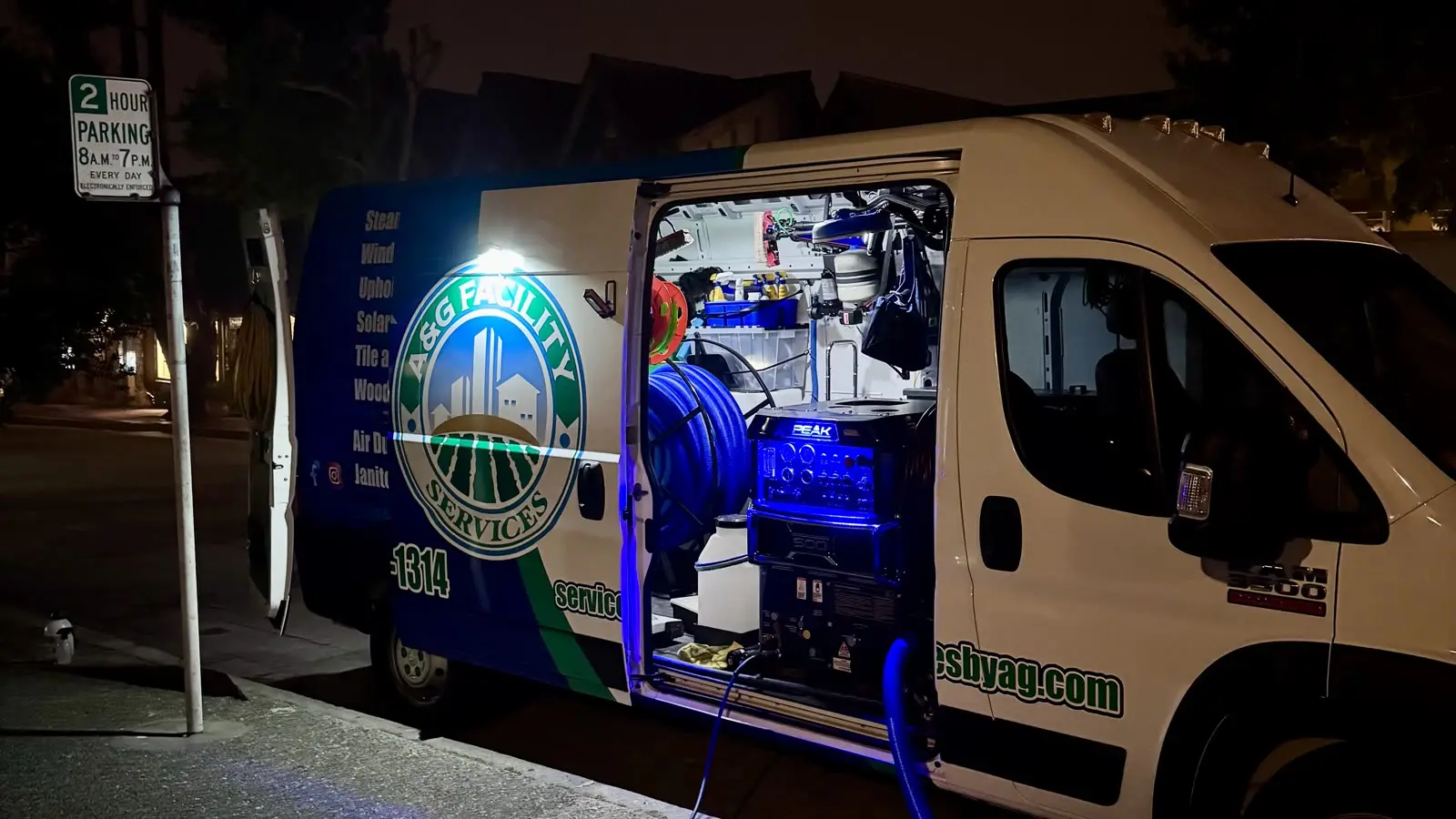
Pressure & Soft Washing
Pressure Washing by Industry: What Each Needs
Each type of business gets dirty in its own way. Restaurants fight grease and dumpster pads, retailers fight gum and entry grime, warehouses fight oil and tire marks, and property managers juggle all of it. The right method and schedule follow the soil and the foot traffic, and the wash water must be captured.
A&G Facility Cleaning ServicesPublished Updated 6 min read
Key takeaways
- Match the method to the soil: hot water and degreaser for grease and oil, heat and scraping for gum, low pressure for building faces.
- OSHA requires walking-working surfaces to be kept clean and free of hazards such as spills and leaks.
- Salinas stormwater guidance calls for blocking drains and capturing commercial wash water for sewer disposal.
- On the Monterey Peninsula, local Rule 162 limits washing hard surfaces with drinking water except for health or safety.
- Set a starting schedule by traffic and soil type, then adjust after a few cycles.
On this page
- Why one pressure washing plan does not fit every business
- Restaurants and food service: grease, dumpster pads and back doors
- Retail stores and shopping centers: entries, sidewalks and gum
- Offices and medical buildings: entry plazas and parking
- Warehouses and industrial sites: docks, oil and tire marks
- Schools, churches and public buildings
- HOAs, apartments and property managers
- Building a schedule, and getting help locally
- Starting points by industry
- Questions people ask
Why one pressure washing plan does not fit every business
A bakery, a big-box store and a distribution warehouse can sit on the same street and need completely different exterior cleaning. What changes is the kind of soil, how fast it builds up, and how much risk it creates.
Three questions shape every commercial plan:
- What is the soil? Grease, motor oil, gum, food waste, tire marks, pollen and general grime each need a different cleaner and method.
- How much traffic? A busy restaurant entry gets dirty in days; a quiet office side door can go months.
- What is the risk? Greasy or slick surfaces are a slip hazard. Federal OSHA rules require that walking-working surfaces be kept in a clean, orderly and sanitary condition and free of hazards such as leaks and spills.
The sections below cover the most common property types, the problem areas we see on each, and a reasonable place to start on frequency.
RelatedCommercial pressure washing servicesRestaurants and food service: grease, dumpster pads and back doors
Restaurants have the toughest exterior soil: cooking grease and food waste. It collects at the kitchen door, along the path to the grease bin, under dumpsters, and in drive-thru lanes.
What works:
- Hot water and a degreaser. Cold water spreads grease around; heat and the right chemistry lift it.
- Dumpster pads and enclosures cleaned on a regular cycle to control odor, pests and slick buildup.
- Kitchen mats washed away from storm drains, never in the parking lot.
- Patio dining areas and entries cleaned before service, not during it.
Containment is not optional for food service. City of Salinas stormwater guidance for mobile washers specifically lists food service work, including kitchen vents and hoods and dumpster trash and storage areas, and says waste wash water must go to the sewer through an approved connection, such as a sand and oil interceptor or clarifier, and never into the storm drain.
Exterior washing works best alongside regular kitchen hood and floor cleaning inside, since grease tracked out the back door starts indoors.
RelatedCommercial kitchen cleaning for restaurantsRetail stores and shopping centers: entries, sidewalks and gum
For retail, the storefront is the product's first display. Entries, sidewalks, cart corrals and parking areas collect gum, spilled drinks, bird droppings and the dark traffic lanes that form where customers walk.
Gum is the most common complaint. Pressure alone rarely removes it cleanly and can leave a gouge. The better approach is heat: hot water or steam softens the gum so it can be lifted with a scraper or a surface cleaner pass, followed by a rinse. Old, flattened gum may need a spot treatment and a second pass.
Other retail priorities:
- Entry mats and the concrete right under them, where moisture and grit build up.
- Trash can areas and smoking areas near the door.
- Drive-up and pickup lanes, which collect oil drips.
- Store-front glass and frames, which are better cleaned by hand than with high pressure.
Schedule the work before opening or after closing so customers never walk through a wet area.
RelatedCleaning for retail storesOffices and medical buildings: entry plazas and parking
Office and medical properties usually have lighter soil but higher expectations. Clients and patients notice stained entry plazas, dirty walkways and grimy parking structures.
Typical problem areas:
- Entry plazas, ramps and steps, including handrails.
- Breezeways and covered walkways, where dust and spider webs build up.
- Parking lots and structures, with oil drips and tire marks.
- Smoking areas and benches.
- Building faces with stucco, painted surfaces or signage, which need low-pressure soft washing rather than high pressure.
Work is usually done early, late or on weekends. Keep the public well clear of active work. The CDC notes that the fast, strong spray can throw objects that strike and injure people nearby, which is one reason commercial crews cone off and stage their work areas.
RelatedWhat to expect from commercial pressure washingWarehouses and industrial sites: docks, oil and tire marks
Warehouses and industrial sites have heavy, oily soil and a lot of square footage. Loading docks, truck aprons, forklift lanes and fueling or maintenance areas collect motor oil, hydraulic fluid, rubber marks and packing debris.
What works:
- Sweeping first, to remove pallet splinters, shrink wrap and grit.
- Degreaser and hot water on oil-soaked concrete.
- Rotary surface cleaners with vacuum recovery for large, flat areas.
- Drain protection before any washing starts.
The City of Salinas mobile washer guidance names loading docks, sidewalks and parking areas, and fleet maintenance and equipment degreasing, among the jobs that require containment. It says to walk the site first, block every drain and sump that could release wash water to the storm drain, and collect the water with a sump pump or vacuum fitted with a filter sock. If the waste contains petroleum or engine waste, it must be handled as hazardous waste.
Clean, degreased dock surfaces also support OSHA's requirement to keep walking-working surfaces free of leaks and spills.
RelatedWarehouse and industrial cleaningSchools, churches and public buildings
Schools, churches, community centers and government buildings combine heavy foot traffic with tight schedules. Lunch areas, bus loading zones, playground surfaces, entry steps and restroom exteriors see the most wear.
Priorities for these sites:
- Food and drink spills in lunch and gathering areas.
- Gum on walkways and steps.
- Algae and slick growth on shaded paths and ramps.
- Graffiti, which needs a remover matched to the surface before any rinse.
- Bird droppings on benches, ledges and covered walkways.
Timing is the main constraint. Weekends, school breaks and the days before large events are the usual windows. Plan enough drying time so surfaces are not wet when people arrive, and keep spray away from windows, door seals and electrical fixtures.
RelatedCleaning for schools and educational facilitiesHOAs, apartments and property managers
Property managers deal with every kind of soil at once: oily parking stalls, trash enclosures, pool decks, stairwells, breezeways, walkways and building faces. The challenge is coordinating it around residents.
What helps:
- A written scope by area, so each surface gets the right method.
- Notice to residents ahead of time, with parking moves if lots or garages are included.
- Soft washing for stucco, painted siding and roofs, and pressure washing for concrete.
- Stain treatment for oil in assigned parking spaces.
On the Monterey Peninsula, water rules matter. Rule 162 of the Monterey Peninsula Water Management District, in effect at all times, lists washing driveways, patios, parking lots and other hard surfaces with potable water as water waste, except where health or safety is at risk and the surface is cleaned with a water broom or other water-efficient device or method. Power washing buildings with potable water is allowed when preparing surfaces for paint or other necessary treatments, or when abating a health or safety hazard. Ask any contractor how they will comply.
RelatedRemoving oil stains from parking stalls and garagesBuilding a schedule, and getting help locally
The right frequency depends on traffic, soil and appearance standards, so start with an estimate and adjust after a few cycles. A practical approach:
- Walk the property and list each area with its soil type.
- Group areas by how fast they get dirty.
- Set a starting frequency for each group, using the table on this page as a guide.
- Review photos after each visit. If an area looks bad well before the next cleaning, tighten the schedule; if it still looks clean, stretch it.
A&G Facility Cleaning Services in Salinas provides pressure washing and soft washing for restaurants, retail stores, offices, medical buildings, warehouses, schools, churches, government facilities and property managers across Monterey County. We are licensed and insured with more than 15 years in business. Call (831) 208-1314 for a free estimate.
RelatedRequest a free commercial pressure washing estimateStarting points by industry
These frequencies are suggested starting points, not rules or industry standards. Adjust them to your traffic, soil and appearance standards after a few cycles.
| Property type | Main problem areas | Suggested starting frequency |
|---|---|---|
| Restaurants | Dumpster pads, kitchen doors, grease paths, patio dining, drive-thru | Dumpster pads and back doors weekly to monthly; front entries monthly |
| Retail stores | Entries, sidewalks, gum, cart corrals, pickup lanes | Entries monthly; full lot quarterly |
| Offices | Entry plazas, walkways, parking, smoking areas | Quarterly; building faces yearly |
| Medical buildings | Entries, ramps, handrails, parking | Monthly to quarterly for entries; quarterly for lots |
| Warehouses | Loading docks, truck aprons, forklift lanes, oil spots | Quarterly, plus spot cleaning after spills |
| Schools and churches | Lunch areas, entries, steps, gum, bus zones | During breaks and before major events |
| HOAs and apartments | Trash enclosures, parking, breezeways, pool decks | Trash areas monthly; common areas quarterly to twice a year |
Restaurants
- Main problem areas
- Dumpster pads, kitchen doors, grease paths, patio dining, drive-thru
- Suggested starting frequency
- Dumpster pads and back doors weekly to monthly; front entries monthly
Retail stores
- Main problem areas
- Entries, sidewalks, gum, cart corrals, pickup lanes
- Suggested starting frequency
- Entries monthly; full lot quarterly
Offices
- Main problem areas
- Entry plazas, walkways, parking, smoking areas
- Suggested starting frequency
- Quarterly; building faces yearly
Medical buildings
- Main problem areas
- Entries, ramps, handrails, parking
- Suggested starting frequency
- Monthly to quarterly for entries; quarterly for lots
Warehouses
- Main problem areas
- Loading docks, truck aprons, forklift lanes, oil spots
- Suggested starting frequency
- Quarterly, plus spot cleaning after spills
Schools and churches
- Main problem areas
- Lunch areas, entries, steps, gum, bus zones
- Suggested starting frequency
- During breaks and before major events
HOAs and apartments
- Main problem areas
- Trash enclosures, parking, breezeways, pool decks
- Suggested starting frequency
- Trash areas monthly; common areas quarterly to twice a year
Questions people ask
How do you clean the outside of a commercial building?
Start with a walk-through to identify surfaces, stains and drains. Protect drains and landscaping, sweep, and pre-treat grease, oil, gum and rust. Use pressure washing with surface cleaners on concrete, and low-pressure soft washing on stucco, painted surfaces and signage. Capture the wash water for proper disposal, and schedule the work outside business hours so customers and staff stay clear.
What is a fair price for commercial pressure washing?
Commercial pricing usually depends on square footage, the type of soil, the number of stains needing treatment, hot water requirements, access, time of day, and wash water recovery. Restaurant dumpster pads and oily docks cost more per square foot than a lightly soiled sidewalk. Ask for an itemized written scope by area so you can compare bids on the same work.
How do you remove gum from concrete sidewalks?
Heat works better than pressure. Hot water or steam softens gum so it can be scraped or lifted with a surface cleaner, then rinsed. Blasting cold gum with a narrow tip often leaves a gouge or a smear. Old, flattened gum may need a spot treatment and a second pass. Regular cleaning of entries keeps gum from building into dark patches.
How often should a restaurant pressure wash its dumpster area?
It depends on volume, but dumpster pads at busy restaurants often need weekly to monthly cleaning to control grease, odor and pests. Use hot water and a degreaser, and capture the wash water. City of Salinas stormwater guidance lists dumpster and trash areas among the food service jobs where wash water must go to an approved sewer connection, not the storm drain.
Can commercial pressure washing be done after hours?
Yes, and for most businesses it should be. Washing before opening, after closing, overnight or on weekends keeps customers and staff away from wet surfaces, hoses and spray. Plan enough drying time before people return, especially at entries and ramps. Confirm lighting, water access and any noise limits for the property before scheduling night work.
Sources
We checked the facts in this guide against these sources.
- 1.29 CFR 1910.22: Walking-Working Surfaces, General Requirements, Occupational Safety and Health Administration
- 2.Stormwater Best Management Practices: Mobile Washers and Cleaners, City of Salinas Public Works
- 3.Rule 162: Stage 1 Water Conservation, Prohibition on Water Waste, Monterey Peninsula Water Management District
- 4.Pressure Washer Safety, Centers for Disease Control and Prevention
Keep reading
 5 min read
Pressure & Soft Washing
Commercial Pressure Washing: A Guide for Owners
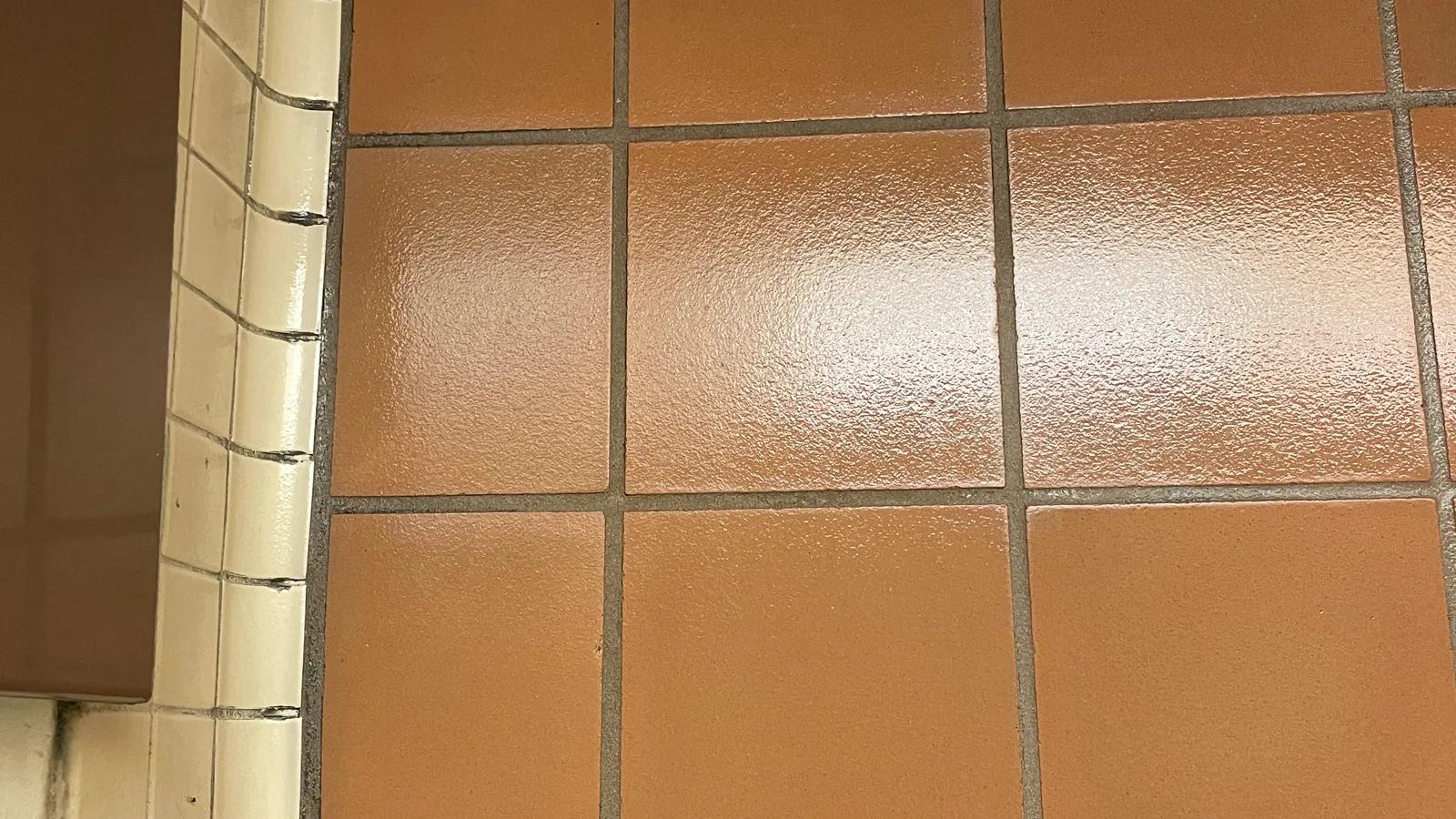
Commercial pressure washing cleans storefronts, sidewalks, entrances, parking areas, dumpster pads and loading docks, usually after hours. In California, the wash water must be kept out of storm drains and collected for approved disposal, which is a key difference from residential work.
 6 min read
Pressure & Soft Washing
How to Remove Oil Stains From Concrete, Fresh or Old
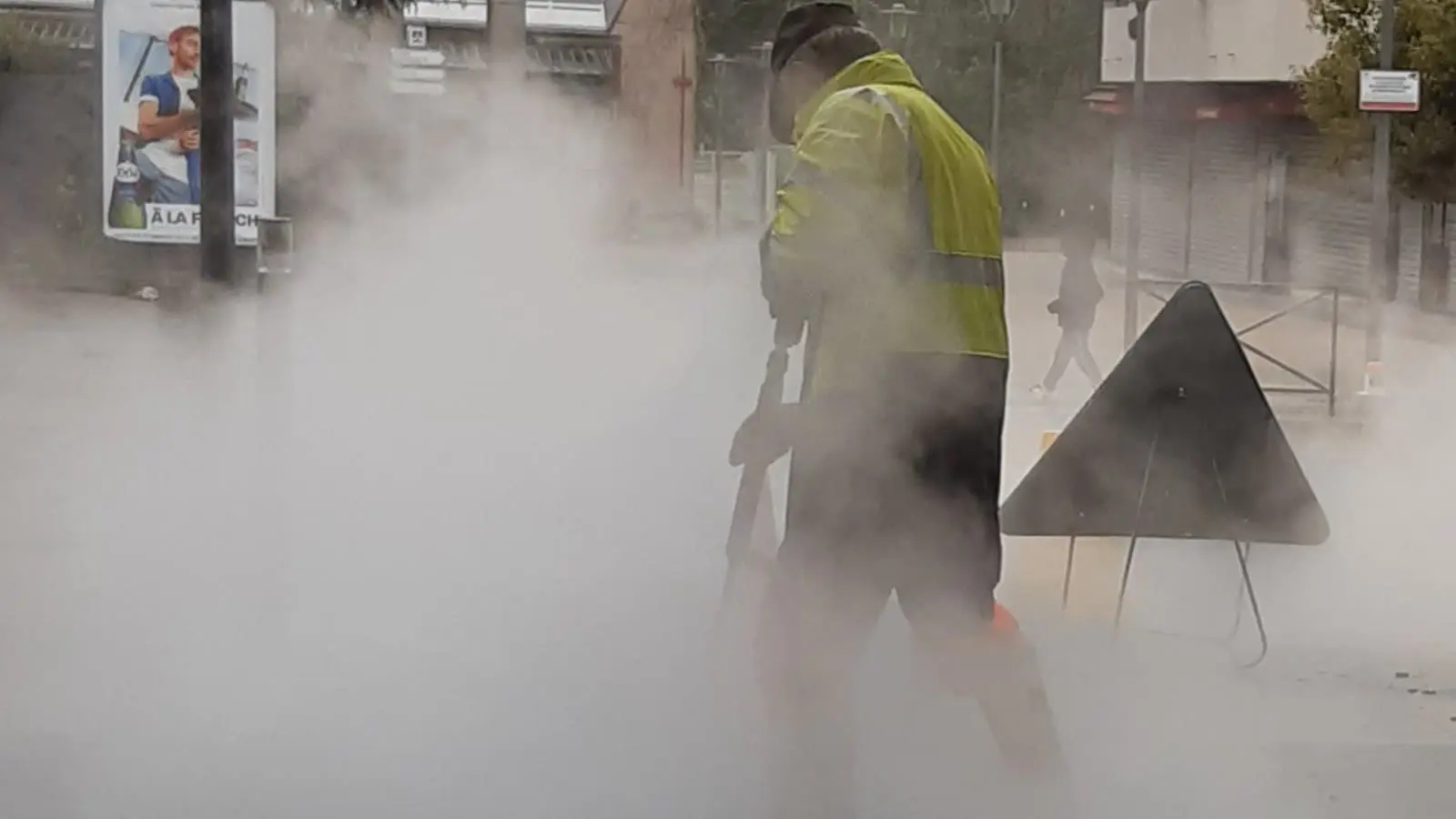
To remove oil from concrete, soak up fresh oil with an absorbent like cat litter, scrub set-in stains with a concrete degreaser, and pull out old, deep stains with a poultice. Pressure washing helps rinse and lift the loosened oil, but the oily water must be captured, not sent down the storm drain.
 6 min read
Floors, Tile & Dusting
Concrete Floor Cleaning for Shops and Warehouses
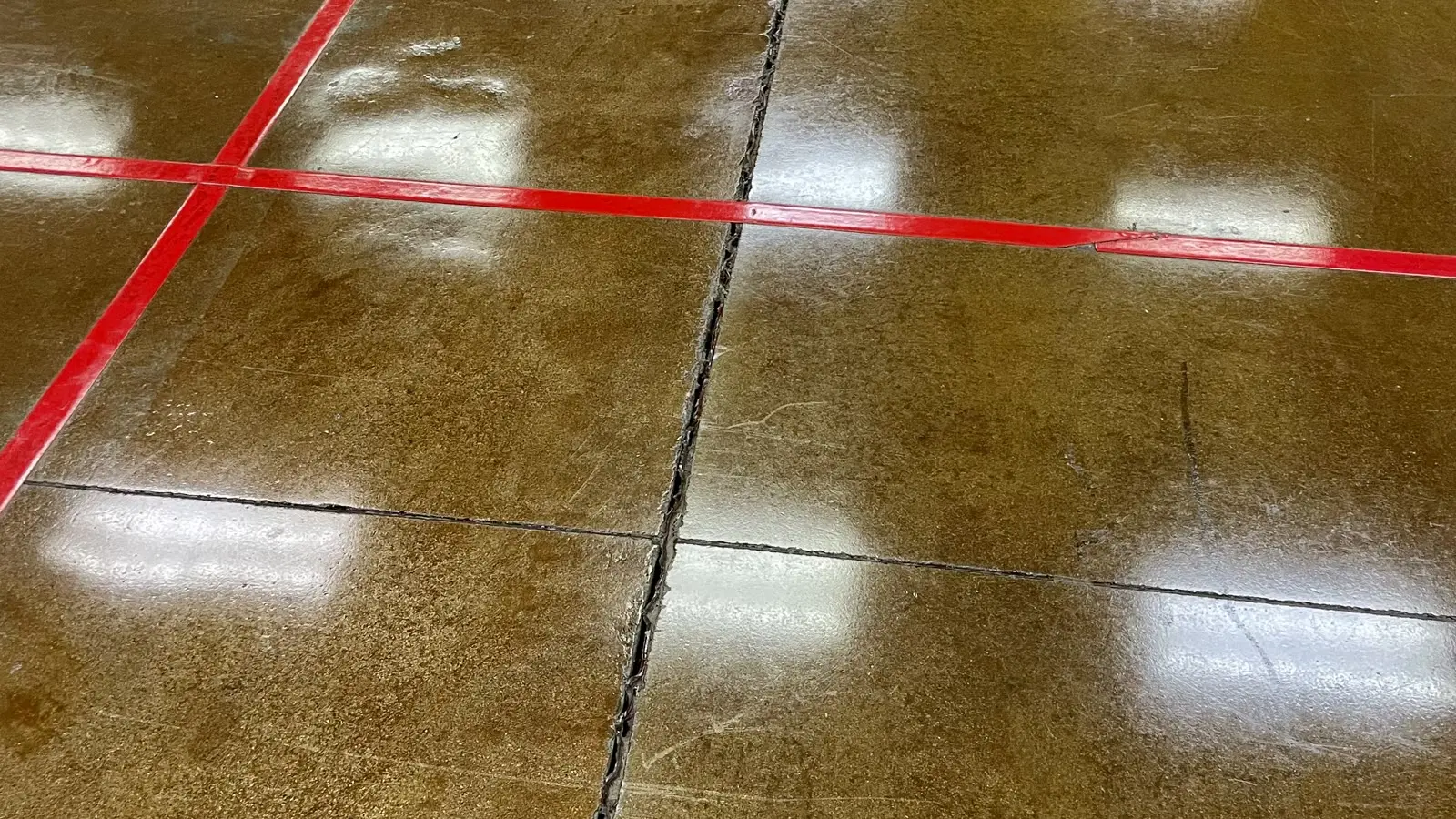
Clean concrete floors by removing dry grit first, then scrubbing with a cleaner suited to the surface and picking up the dirty water instead of hosing it away. Unsealed concrete soaks up stains, sealed concrete wipes clean, and polished concrete needs gentle, pH-appropriate cleaners.
Need pressure washing in Monterey County?
Tell us about your property and we will send a free, no-obligation estimate.